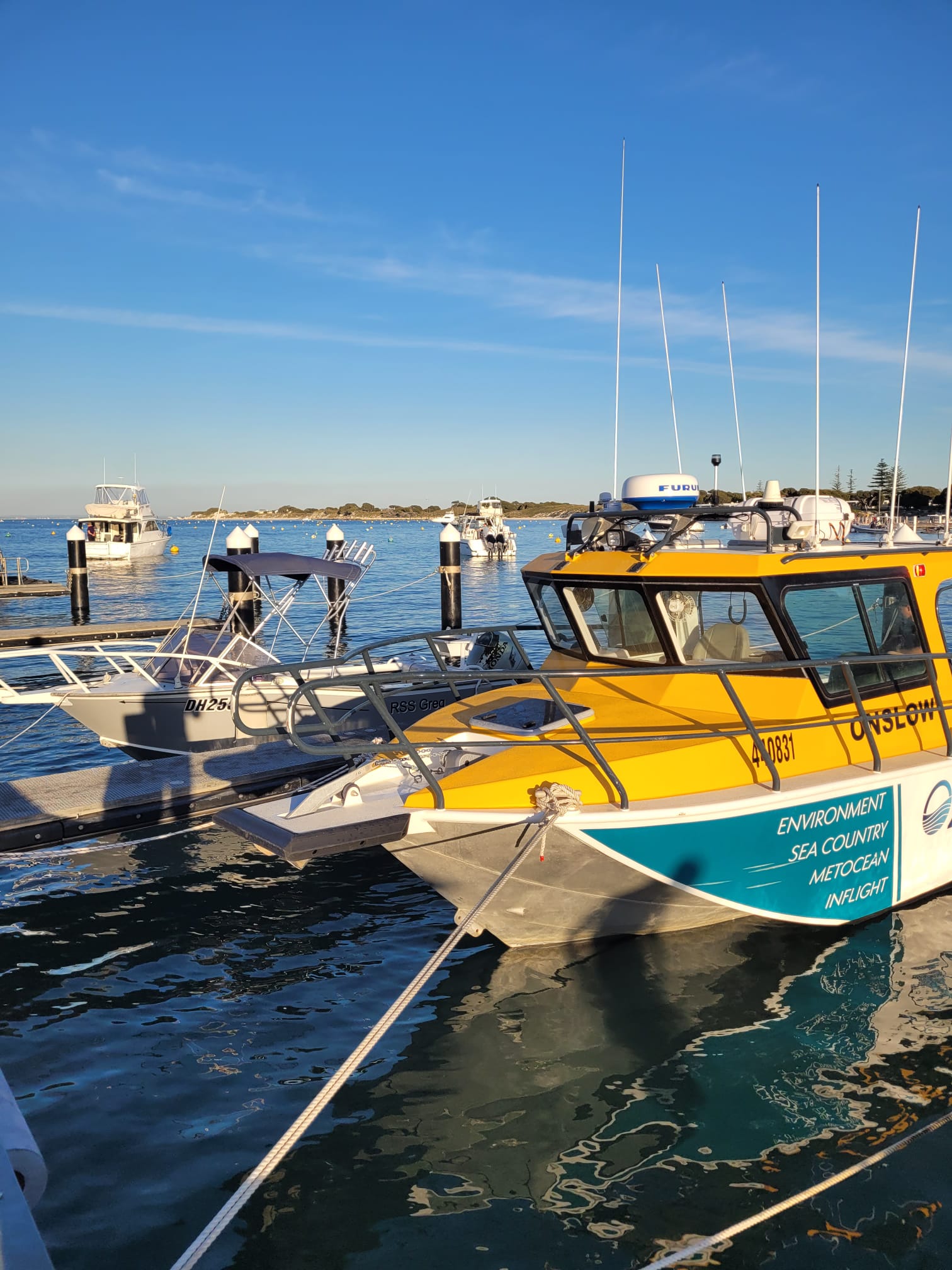
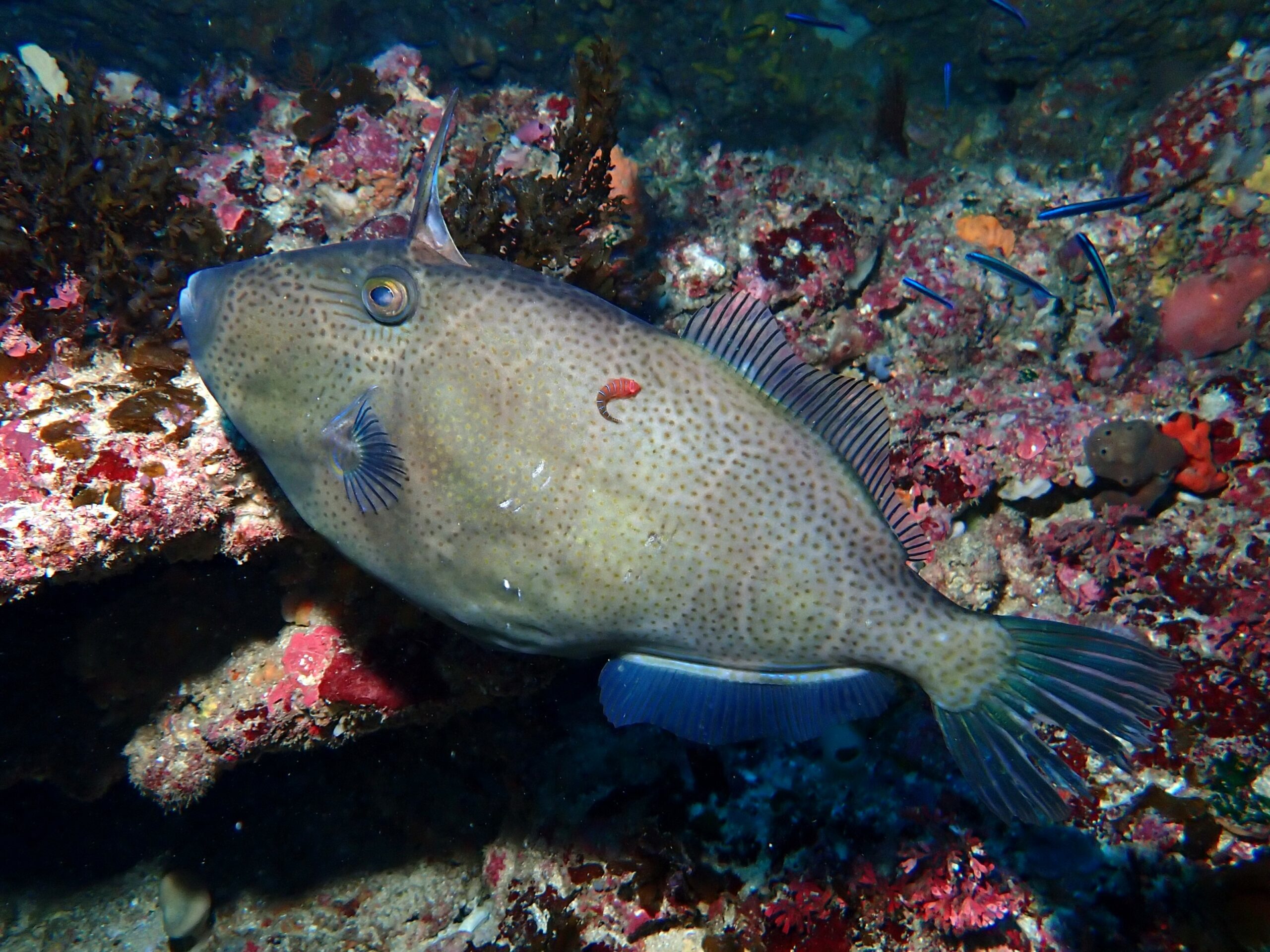
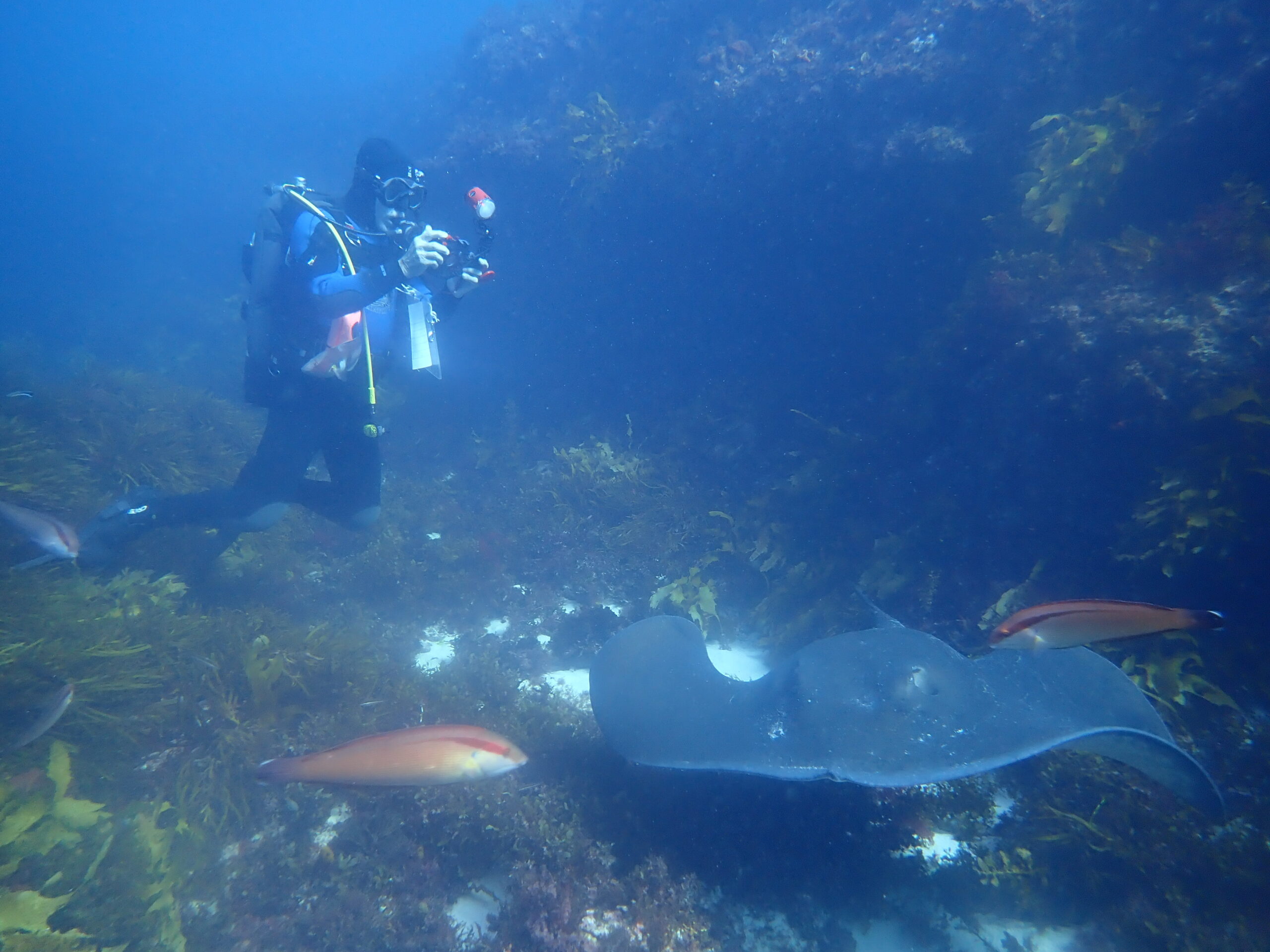
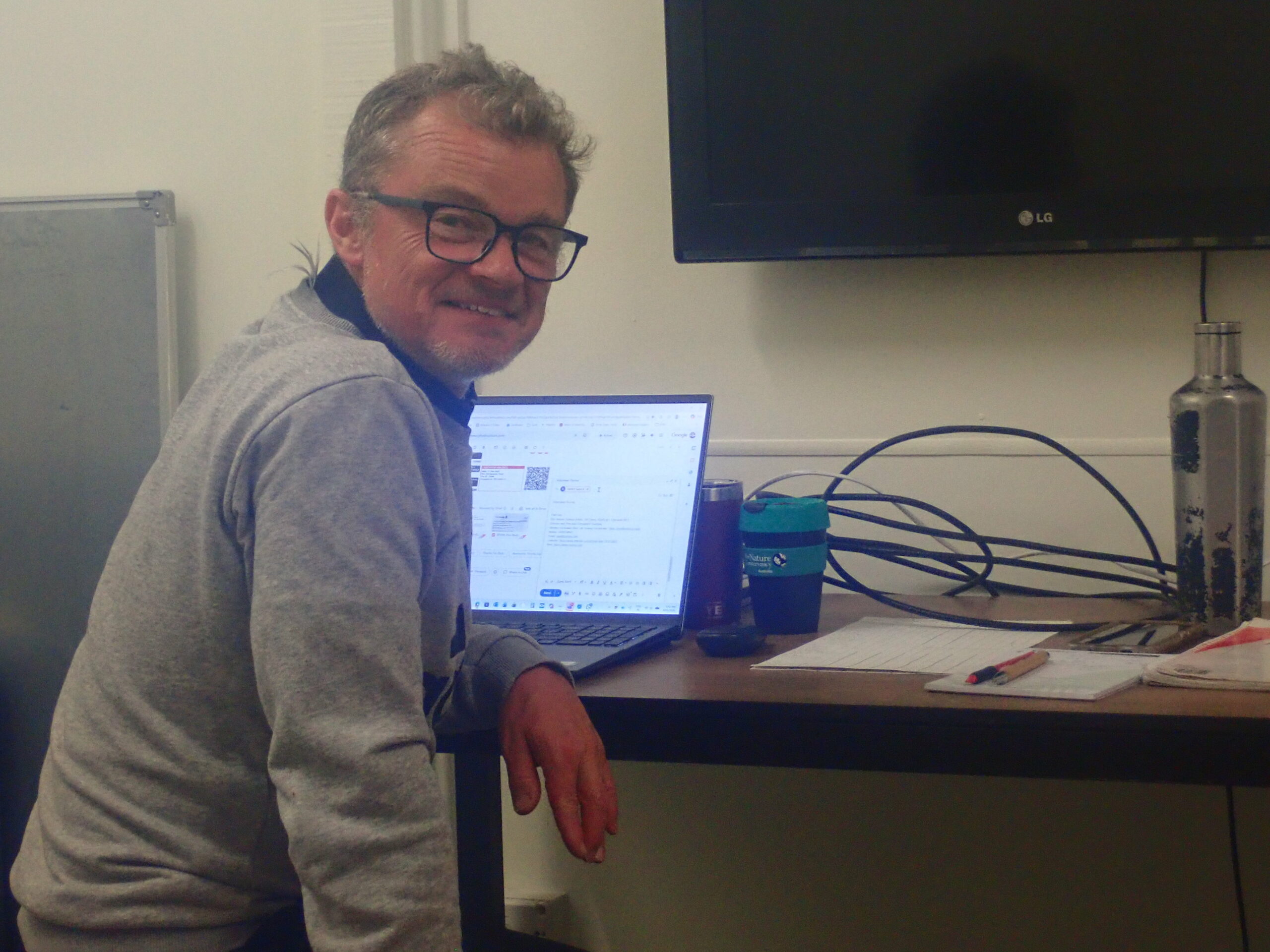
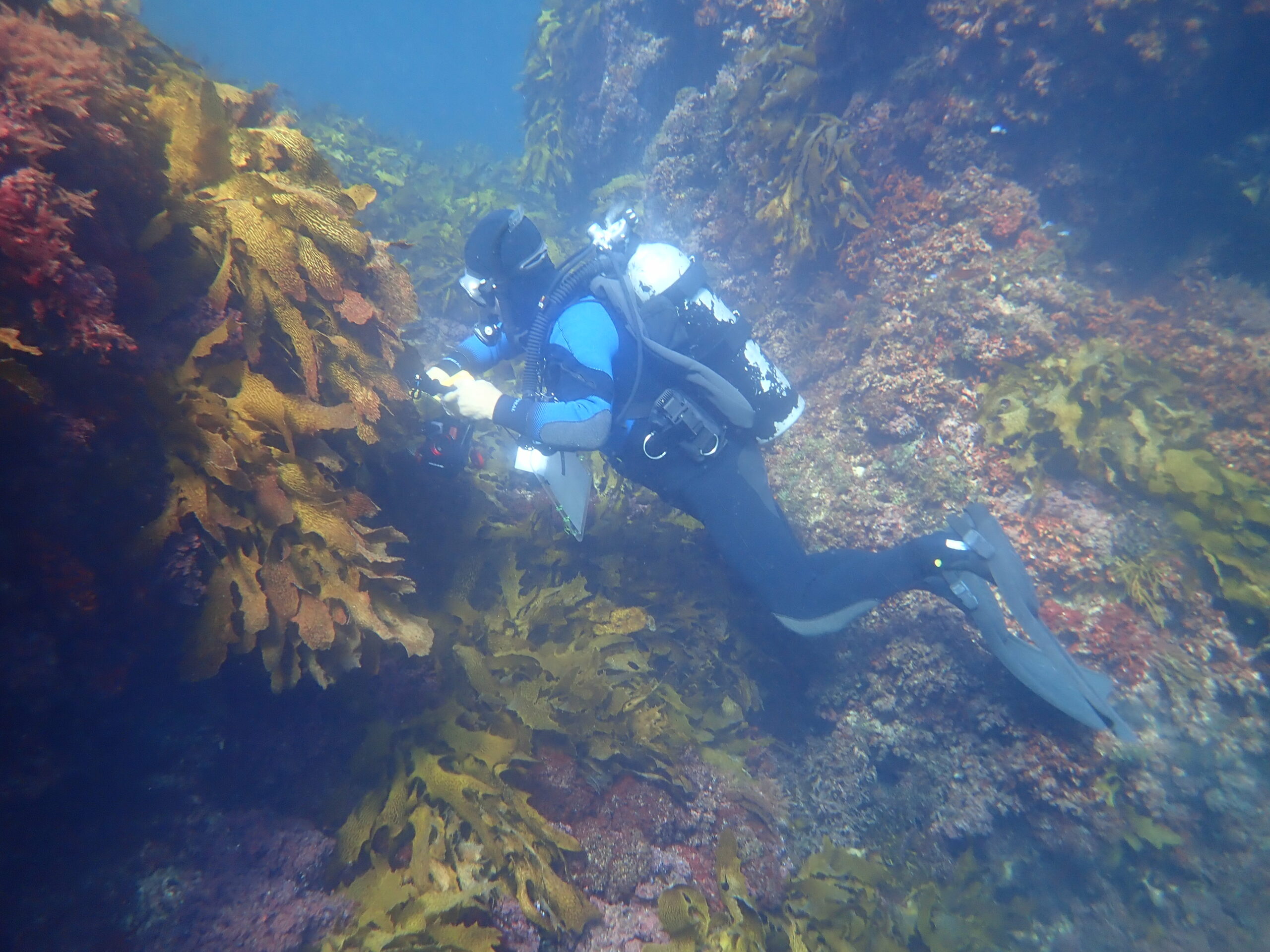
This year's Rottnest Island Survey was supported by O2 Marine who provided the vessel “Onslow” and coxswain Ben Jones. Ben is a long-standing member of RLS, participating in numerous RLS surveys throughout WA, on the east coast and offshore in the northwest. As a Master 5 Mariner with over 10 years of vessel operations under his belt and history of involvement with RLS, Ben was a perfect fit for this year’s survey campaign. Alongside Onslow, the WA team is lucky to have “Greg” the small, but very capable 5 m vessel that is ideal for picking through the rocky reefs at Rottnest and equally useful in choppy conditions.
The team arrived at Rottnest in two groups, some heading across to the island on the 8th of May, crossing by ferry in the afternoon to pick up vehicles and check in to the accommodation. The remaining crew arrived the following day on board the two vessels. This year we were joined by UTAS PhD student, Thomas Mayo who was multitasking by helping us with the vessel during our dives, collecting eDNA samples for another UTAS post-doc student, and collecting data for his own PhD project. A busy man.
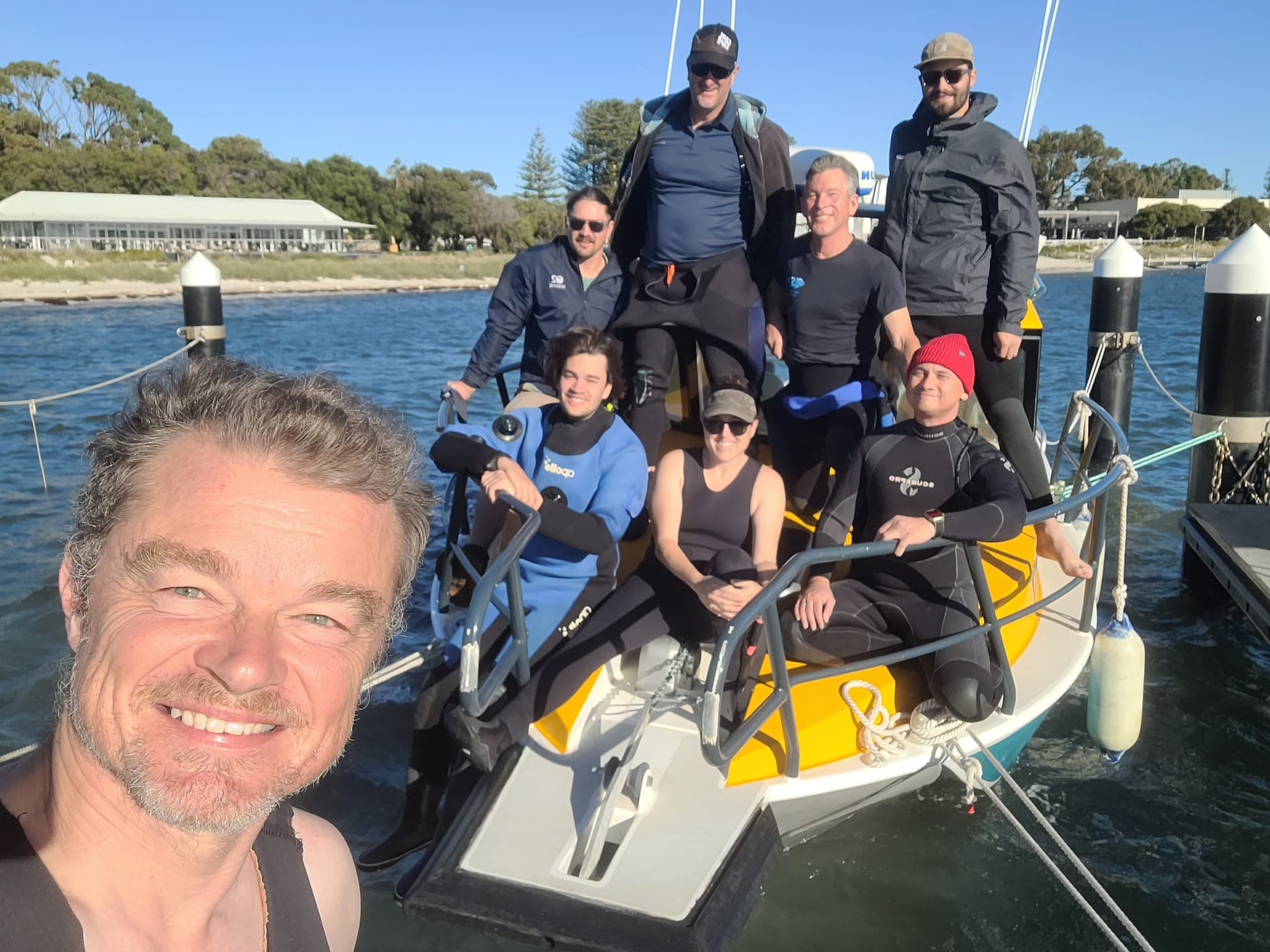
After punching through weather, Onslow and Greg arrived at the Island mid-morning on the 9th, pulling into very choppy Thomson Bay which was causing difficult conditions at the boat pens. The team of Alicia Sutton, Kevin Smith, Noah Murphy, Paul Day, Galen Townson, George Foulsham, Ben Jones and Thomas Mayo worked together to secure the vessels (and helped another larger boat that was having difficulty in the wind) and then set about preparing the boats, gear, and a plan of attack. With the north side of the island being pummeled by 18 knot NE wind and the promise of fresh winds of 15-20 knots NE each day, before dropping off in the afternoons, we planned to survey sites sheltered on the south side in the morning, moving to exposed sites in the afternoon.
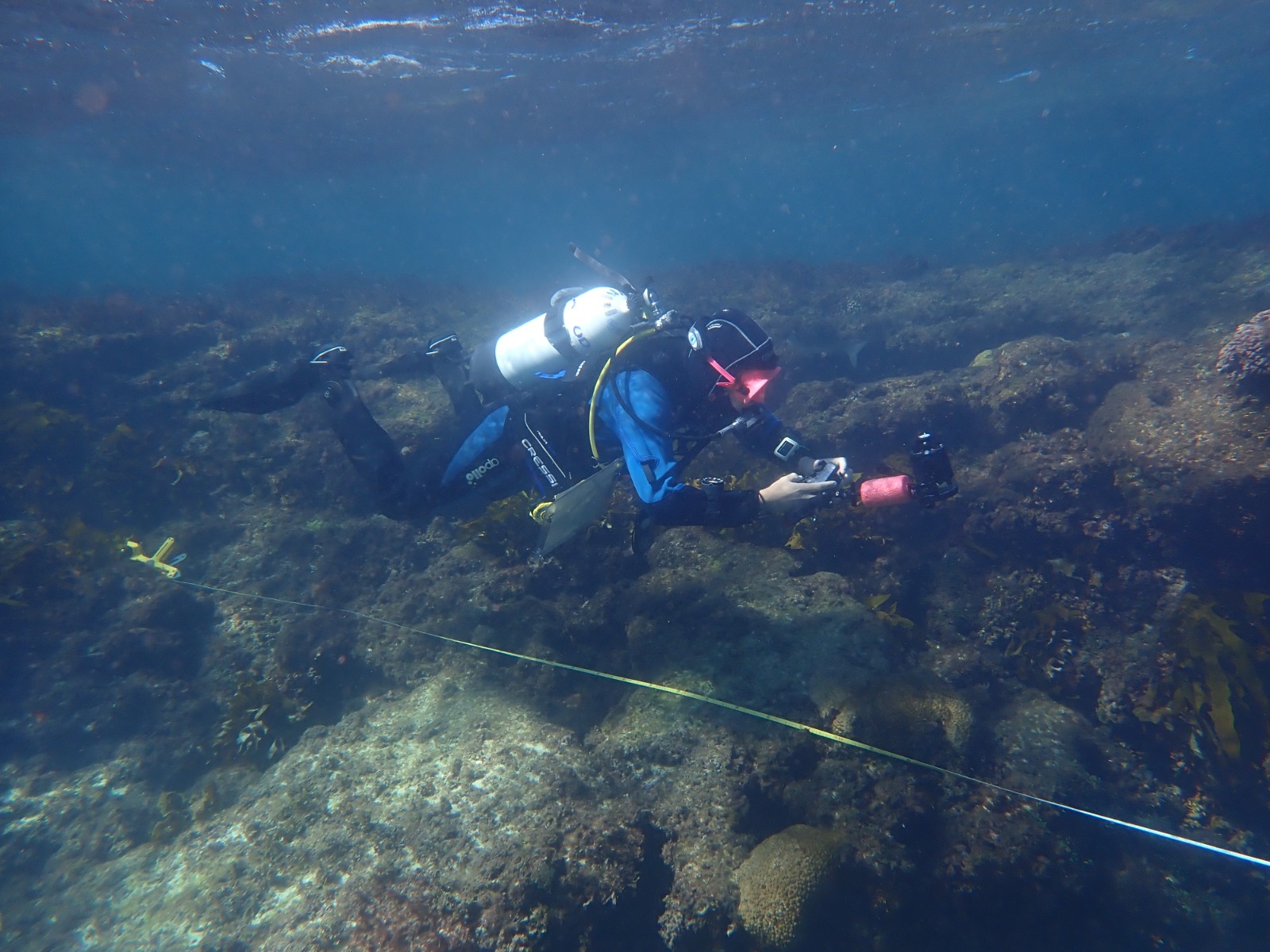
It may have been windy, but the characteristic southwest swell that usually graces us with its presence at this time of year was down to less than 1 meter, producing visibility of 20 m at some sites. And so, we fell into a routine, diving one site in the morning, waiting for the wind to drop, before heading to our second more exposed site, and then returning in time each day to get the tanks filled at the bike hire shop.
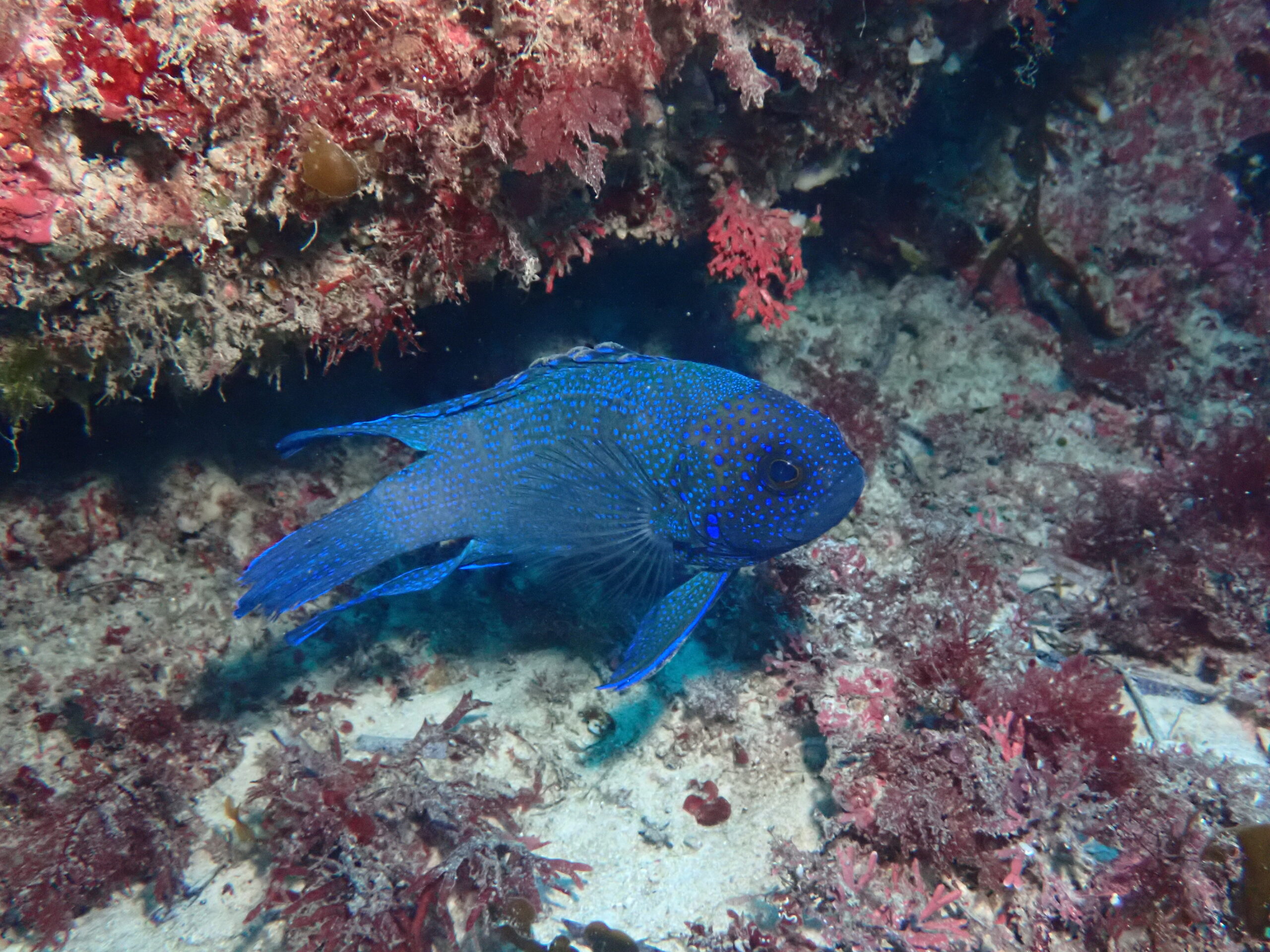
The team surveyed 8 sites across 3 days and collected eDNA samples from 3 sites. Earlier in April a small team completed a site at Armstrong Bay and Parakeet Bay, bringing the total to 10 sites surveyed for the 2026 season. There were some interesting records this year, as expected after the recent marine heatwave. The marine life at Rottnest Island is influenced by the Leeuwin Current. A poleward flowing current that originates in the northwest of Australia and Indonesia. As it flows down the WA coast, it carries the microscopic larvae of marine organisms. Some of these reach Rottnest Island and settle. In years where the water temperature is warmer, and the current flows stronger, we see a greater diversity of species more commonly seen on the coral reefs further north.
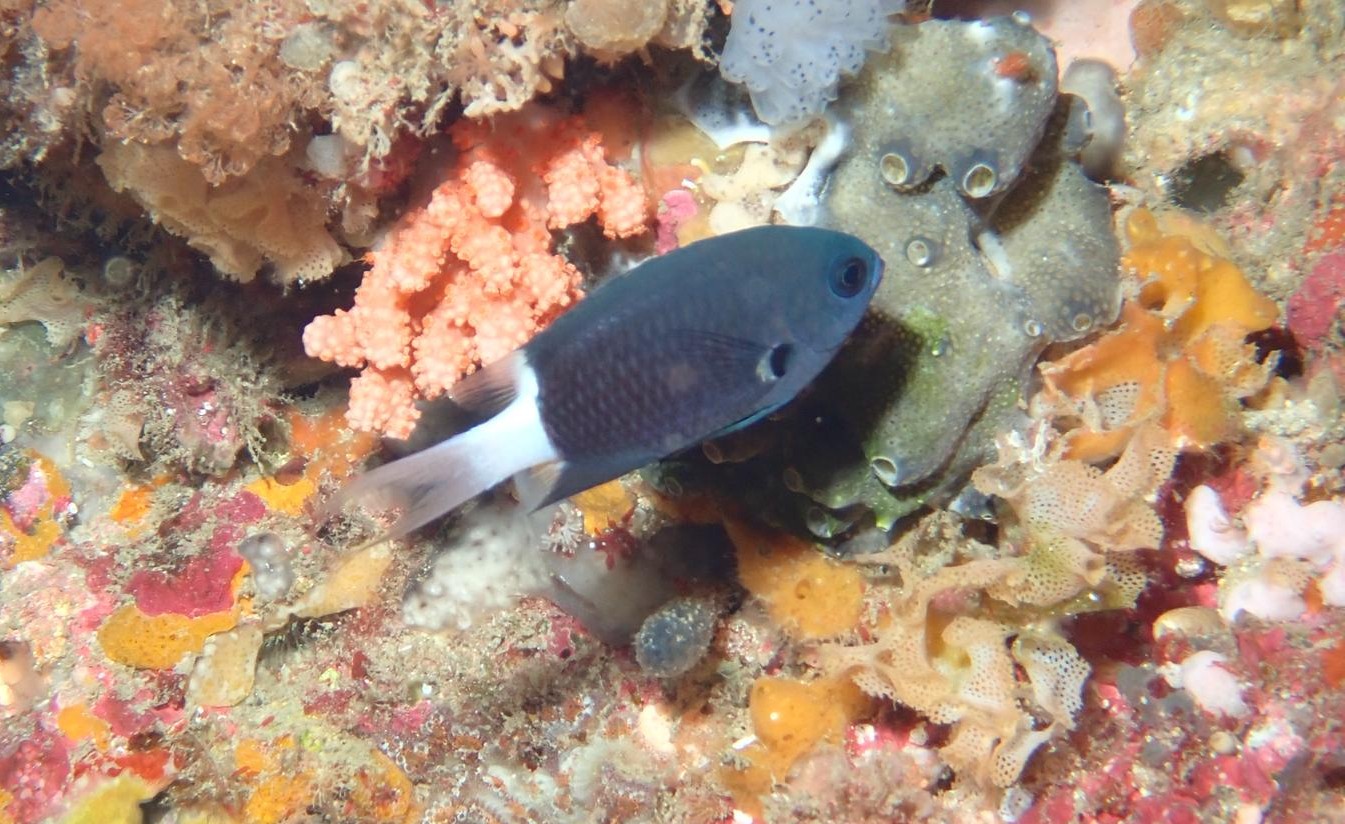
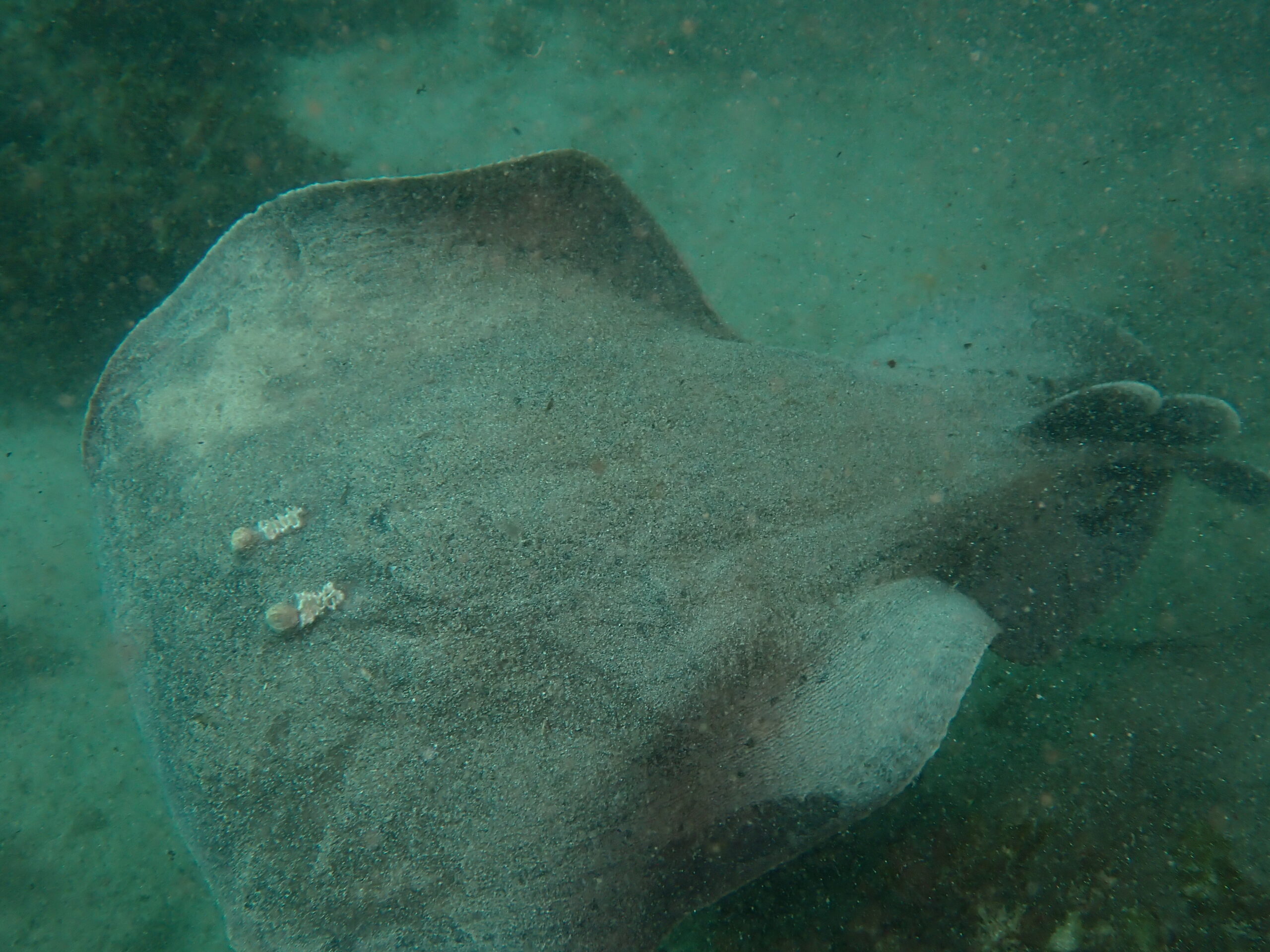
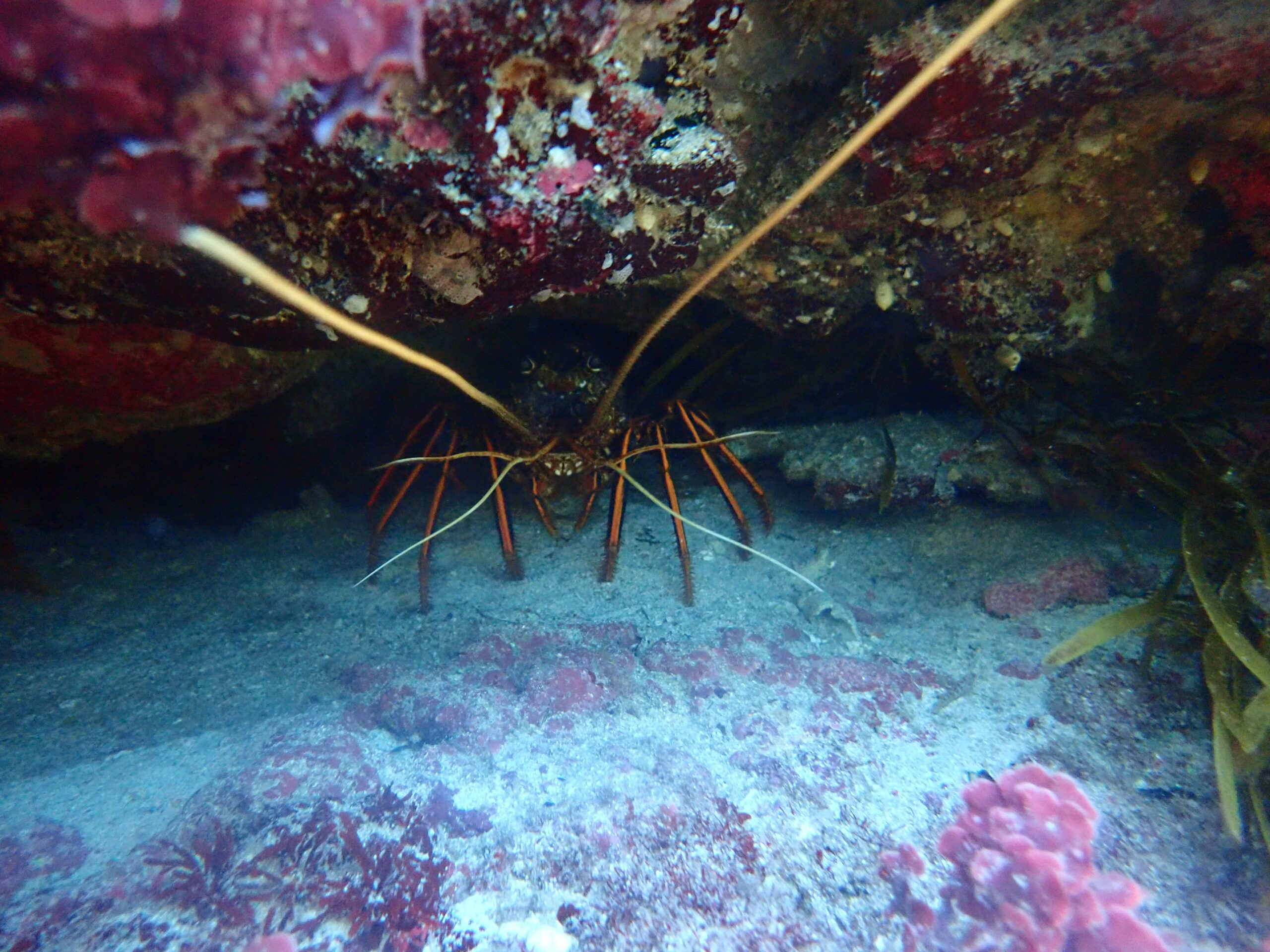
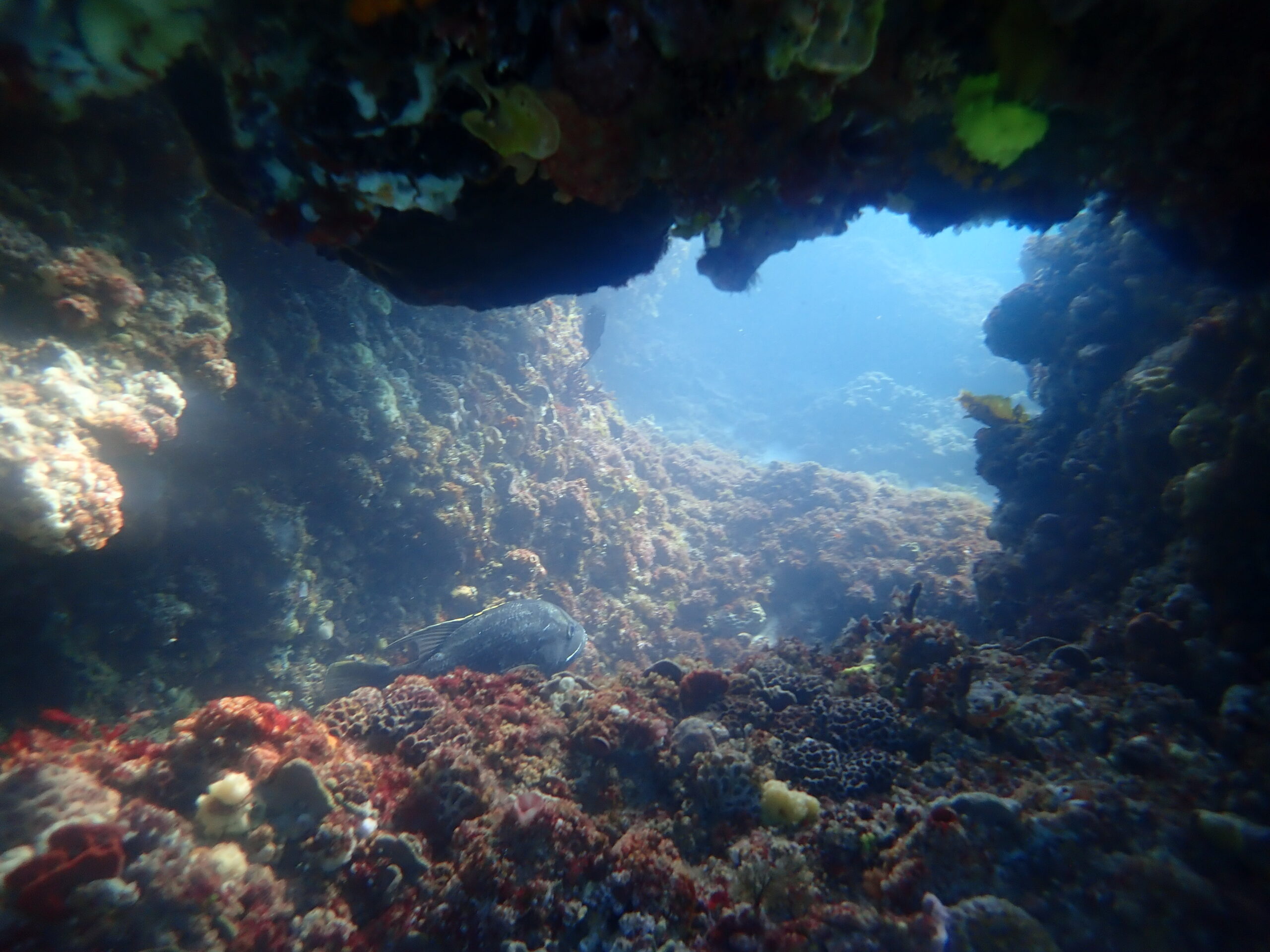
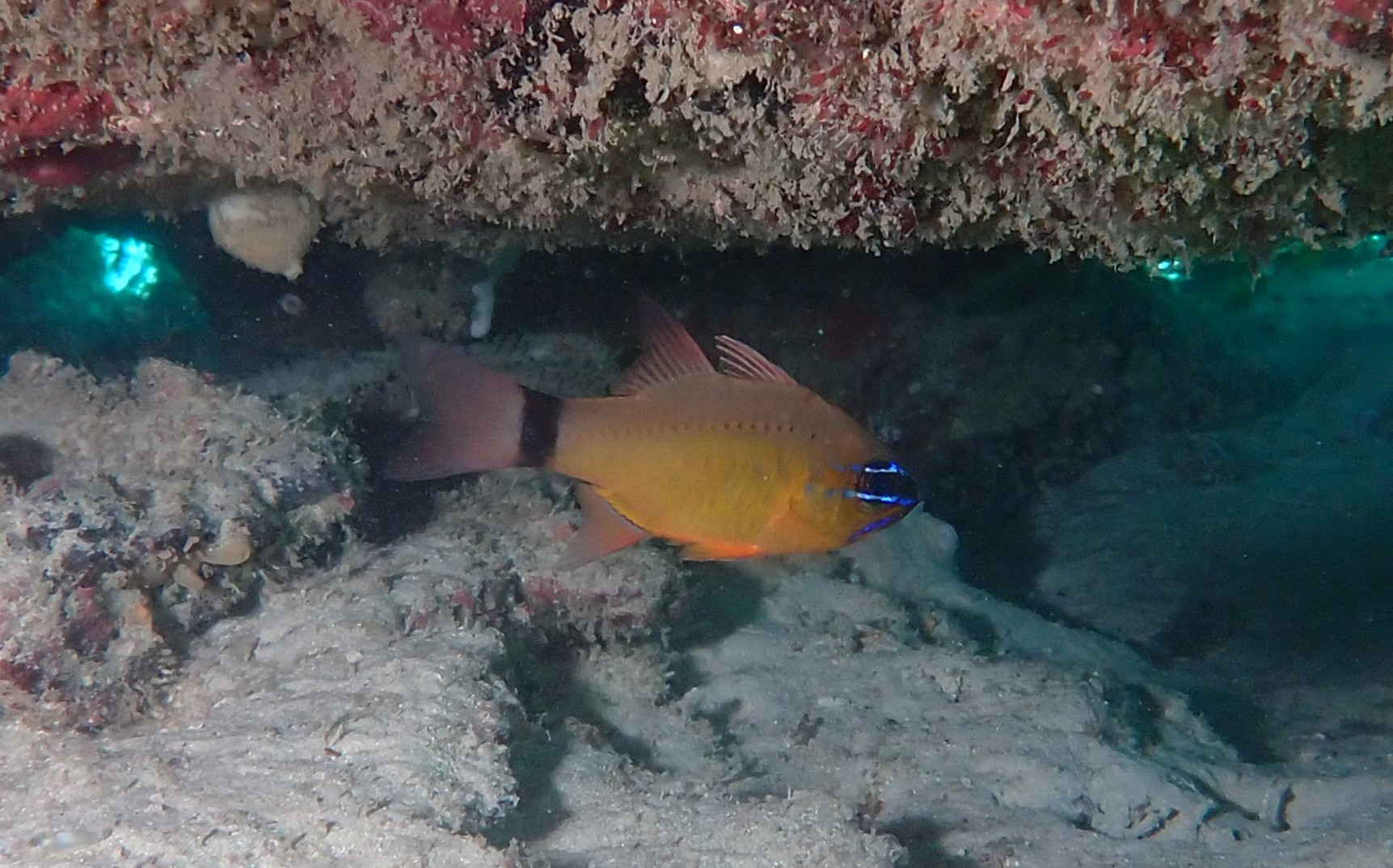
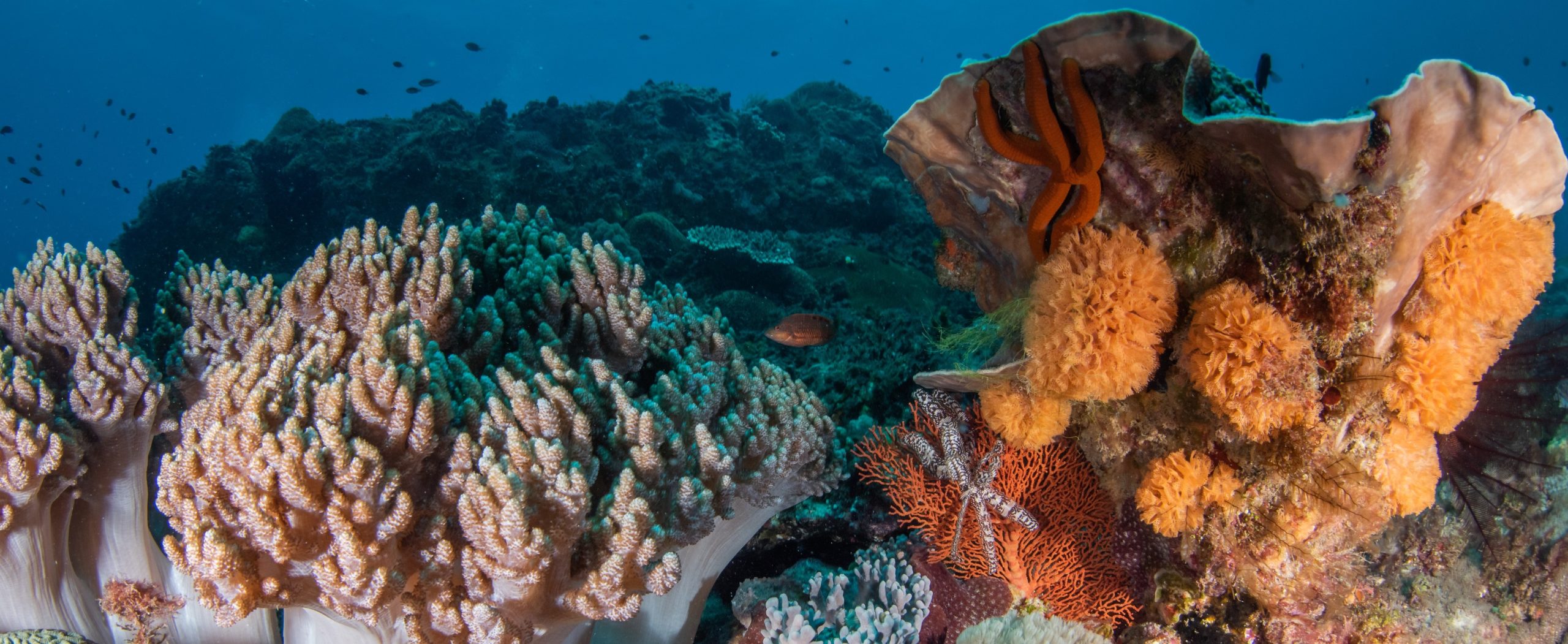
Some of the warmer water species recorded by our team include the Half-circled angelfish (Pomacanthus semicirculatus), Steep-head parrotfish (Chlorurus microrhinos), Two-colour cleaner wrasse (Labroides bicolor) and the Cleaner wrasse (Labroides dimidiatus), Scissortail sergeant (Abudefduf sexfasciatus), Daisy parrotfish (Chlorurus sordidus), Marbled parrotfish (Leptoscarus vaigiensis) and Whitetail puller (Pycnochromis margaritifer). In total, 109 species of fish and 33 species of invertebrate animals were recorded across 10 sites in 4 days, a solid effort from the team. Seeing these warm water species reminds us of how important the data is for tracking the changes to our marine environment. Our reefs are out of site, but RLS divers are collecting high quality data to provide scientists and managers with a lens to build understanding.
This year RLS was assisted by O2 Marine who provided a vessel and skipper. Huge thanks to Rottnest Island Authority (RIA), RIA Volunteer Coordinator, who provides seamless logistical support every year, RIA Environment Officers, for ensuring we have what we need, and the crew at Pedal and Flipper for being flexible around our tank fill requests. Very grateful to RLS HQ and our incredible team of volunteers.