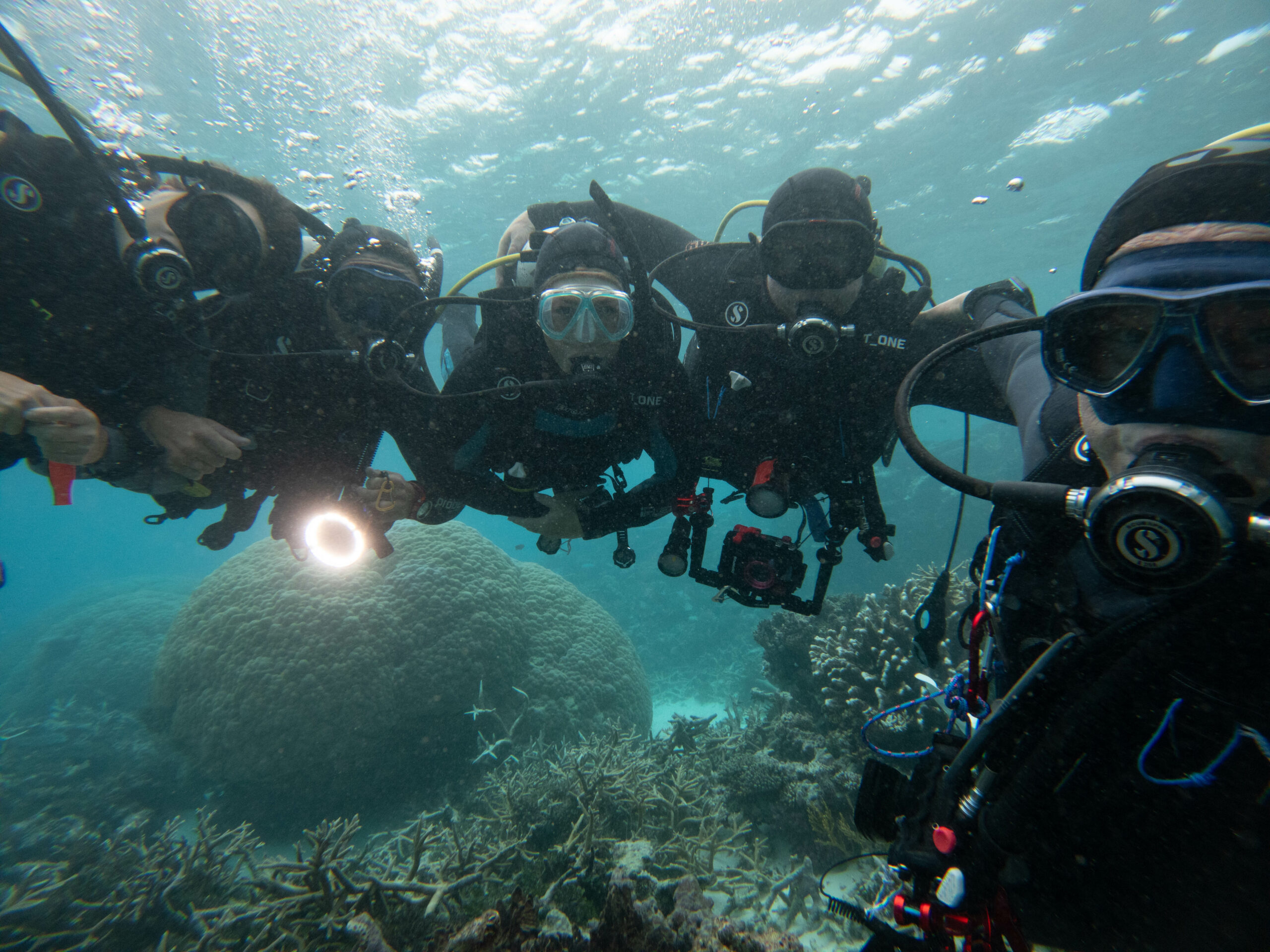
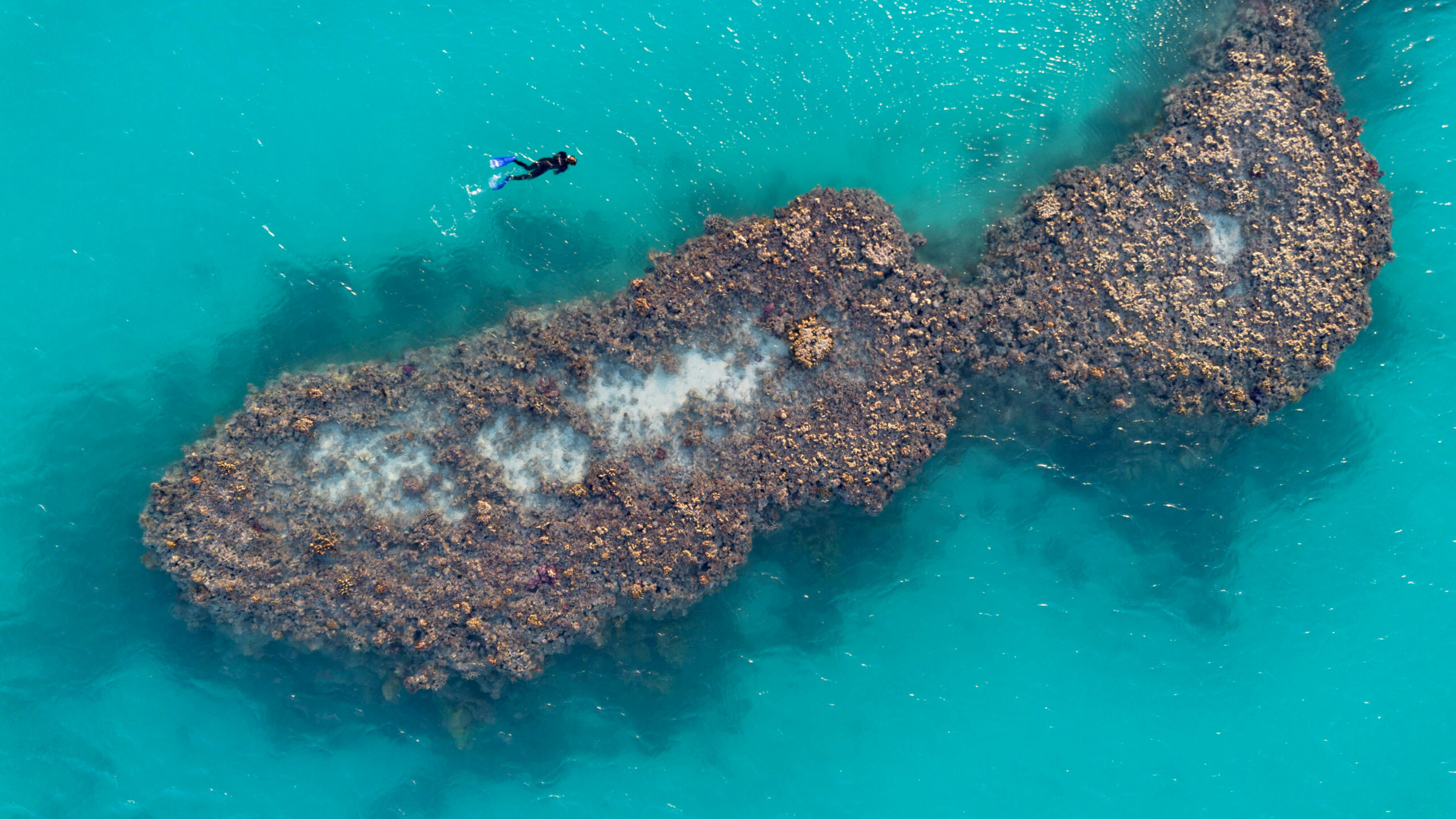
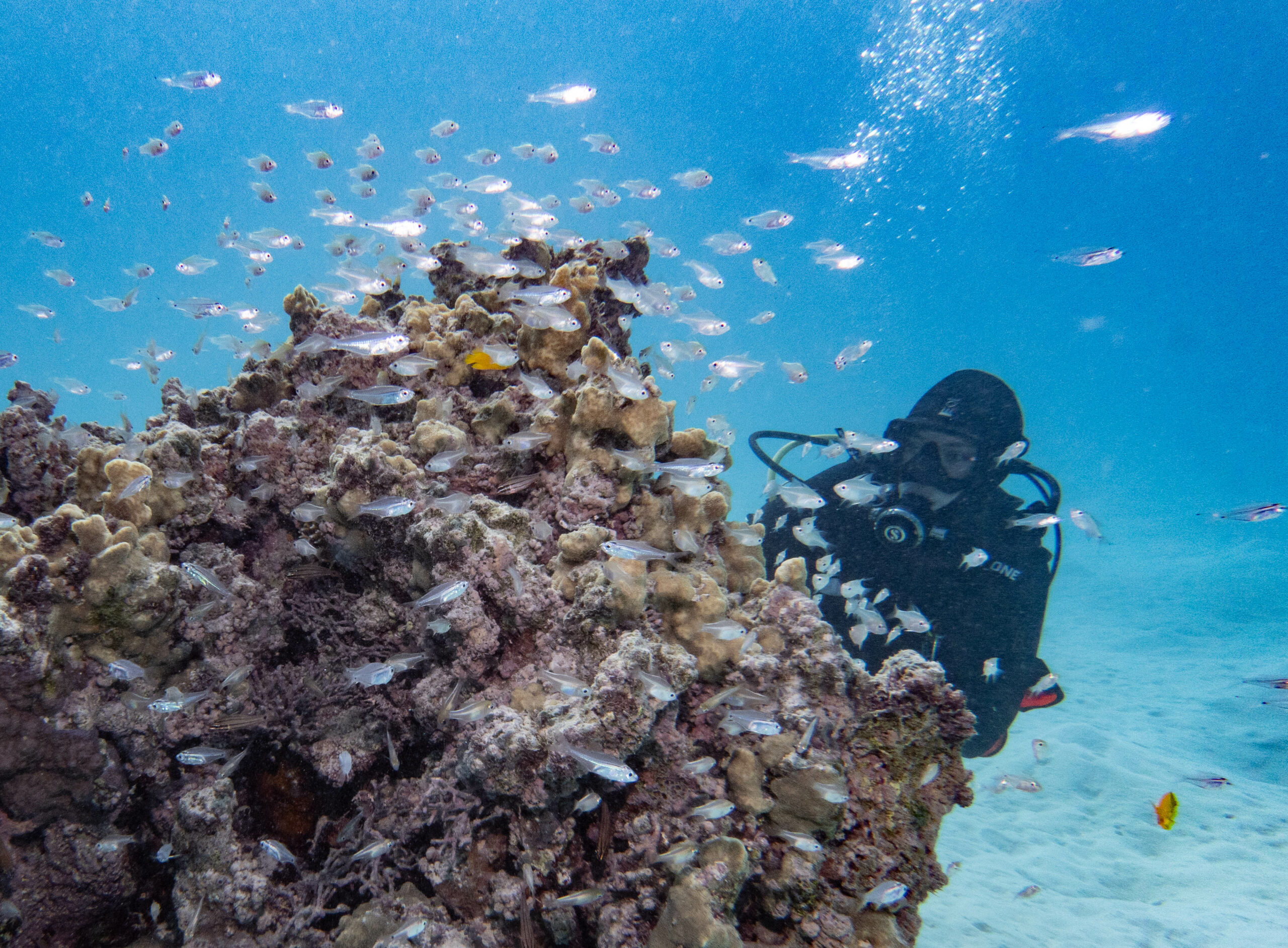
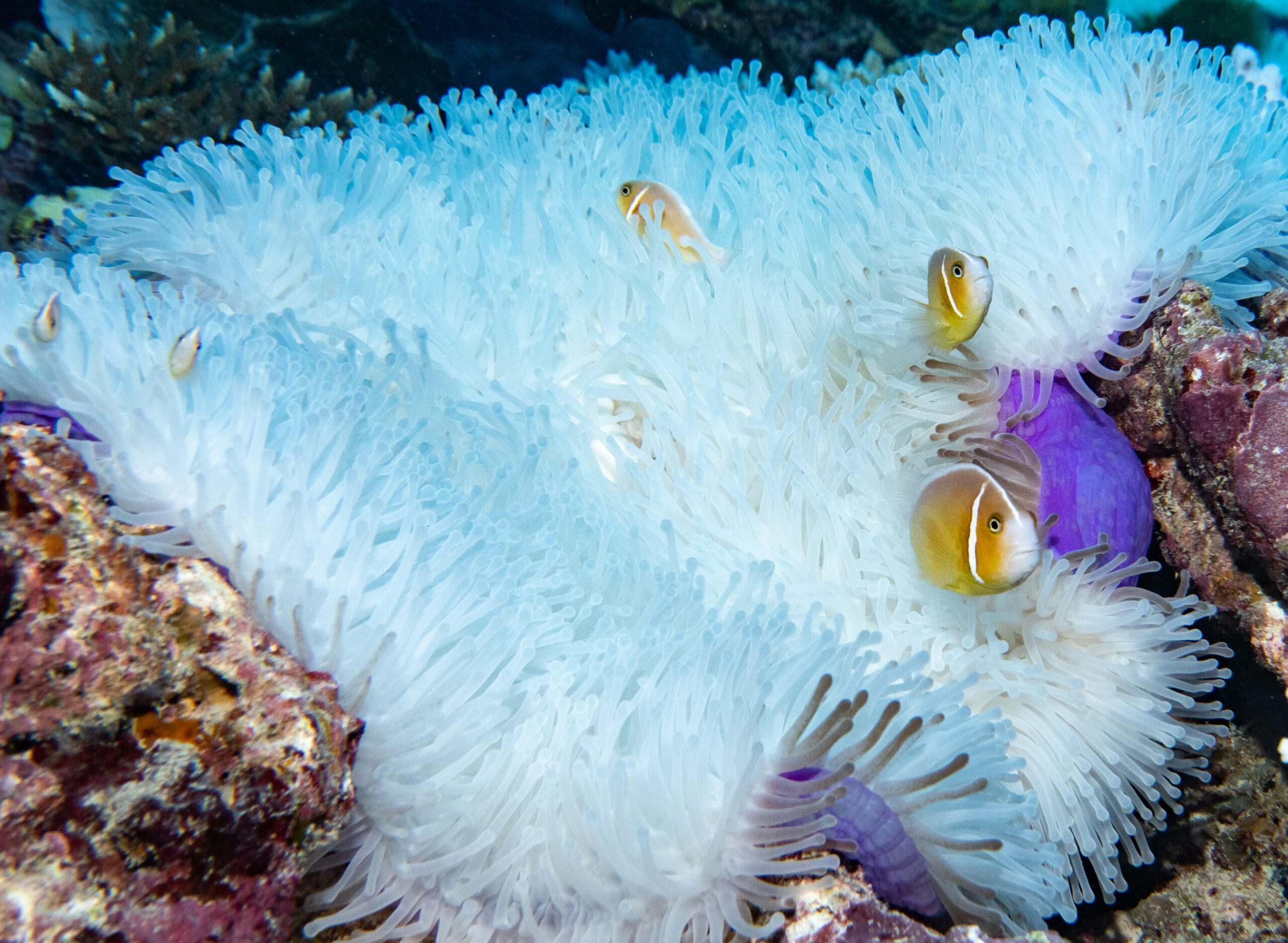
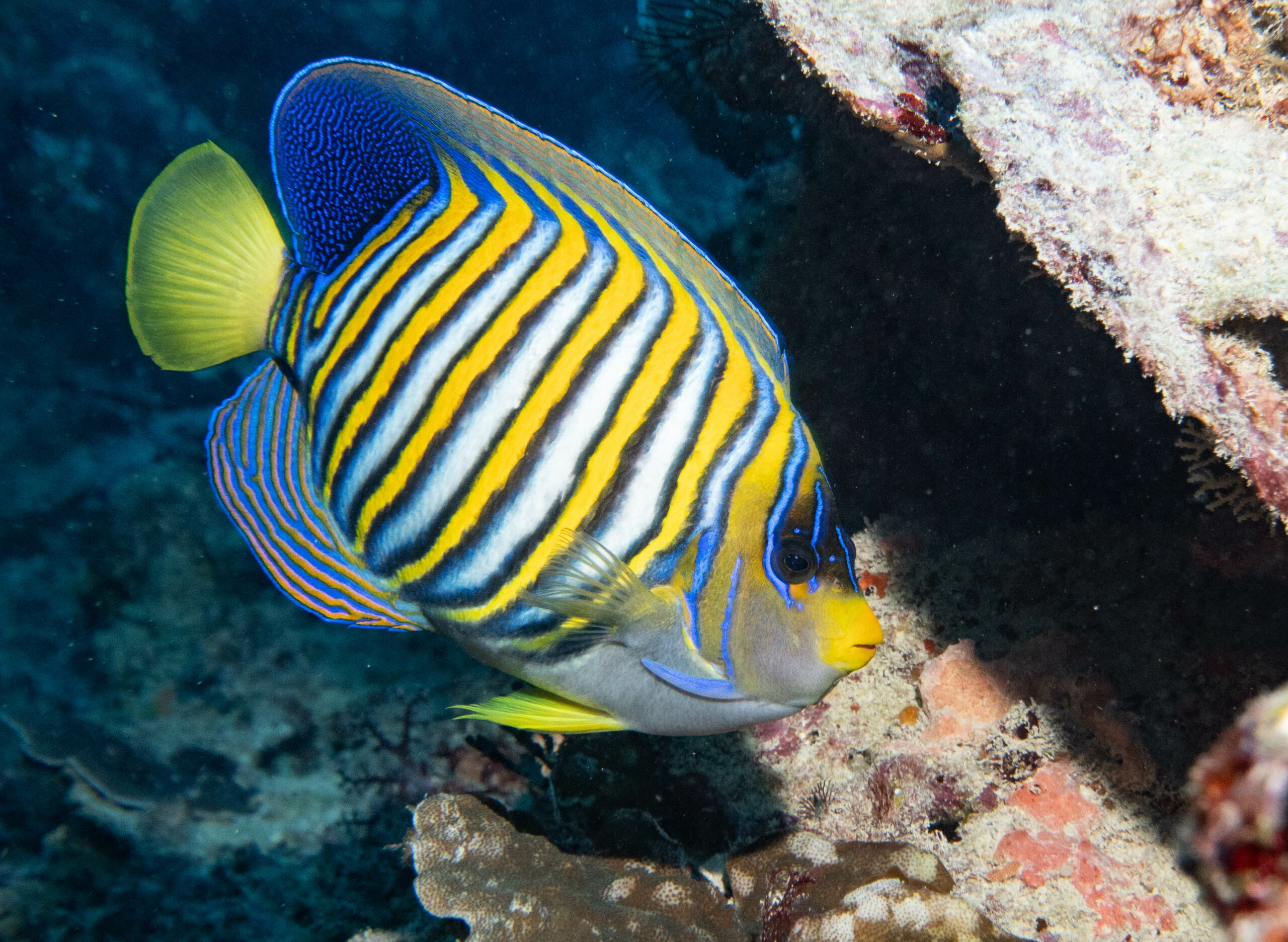
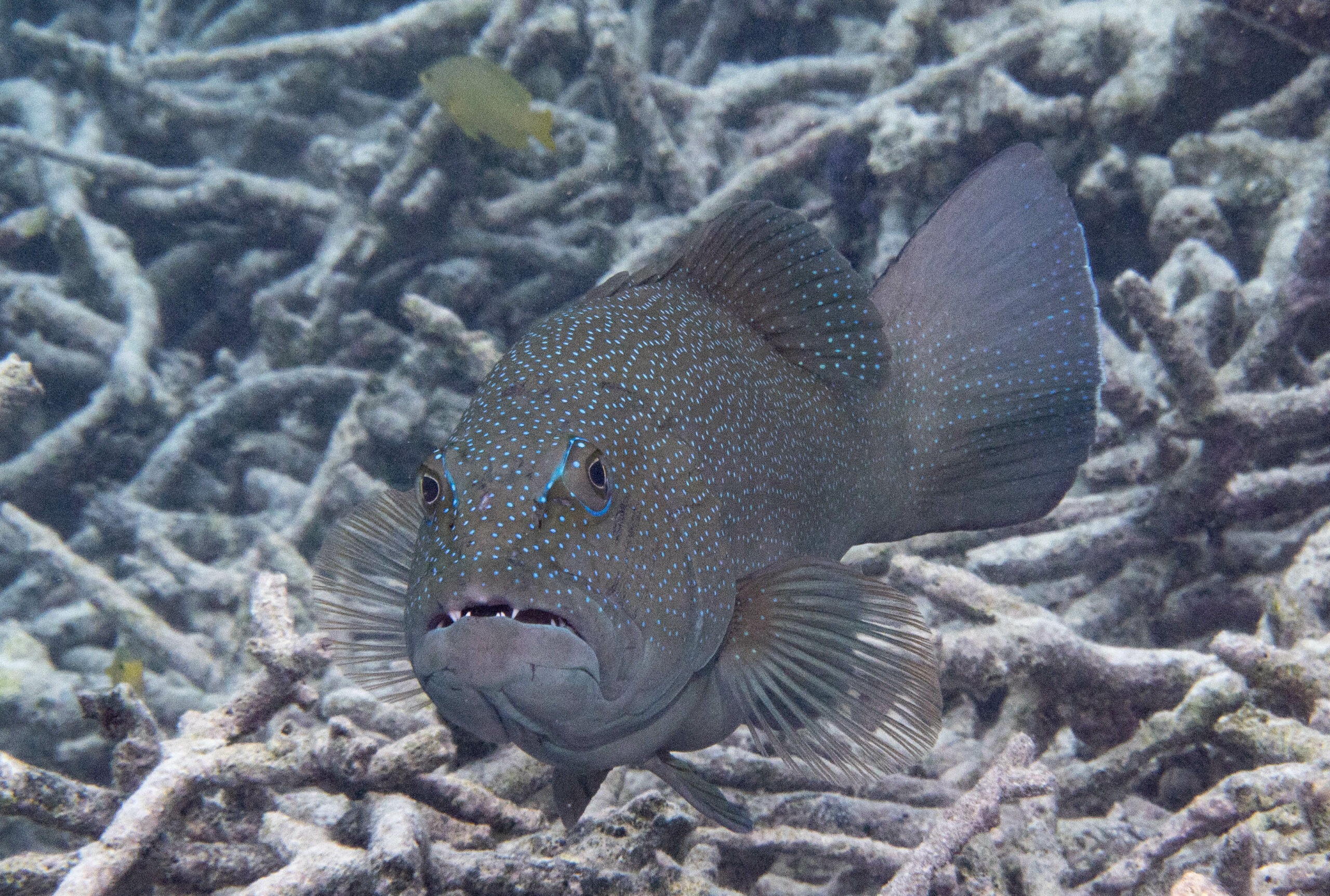
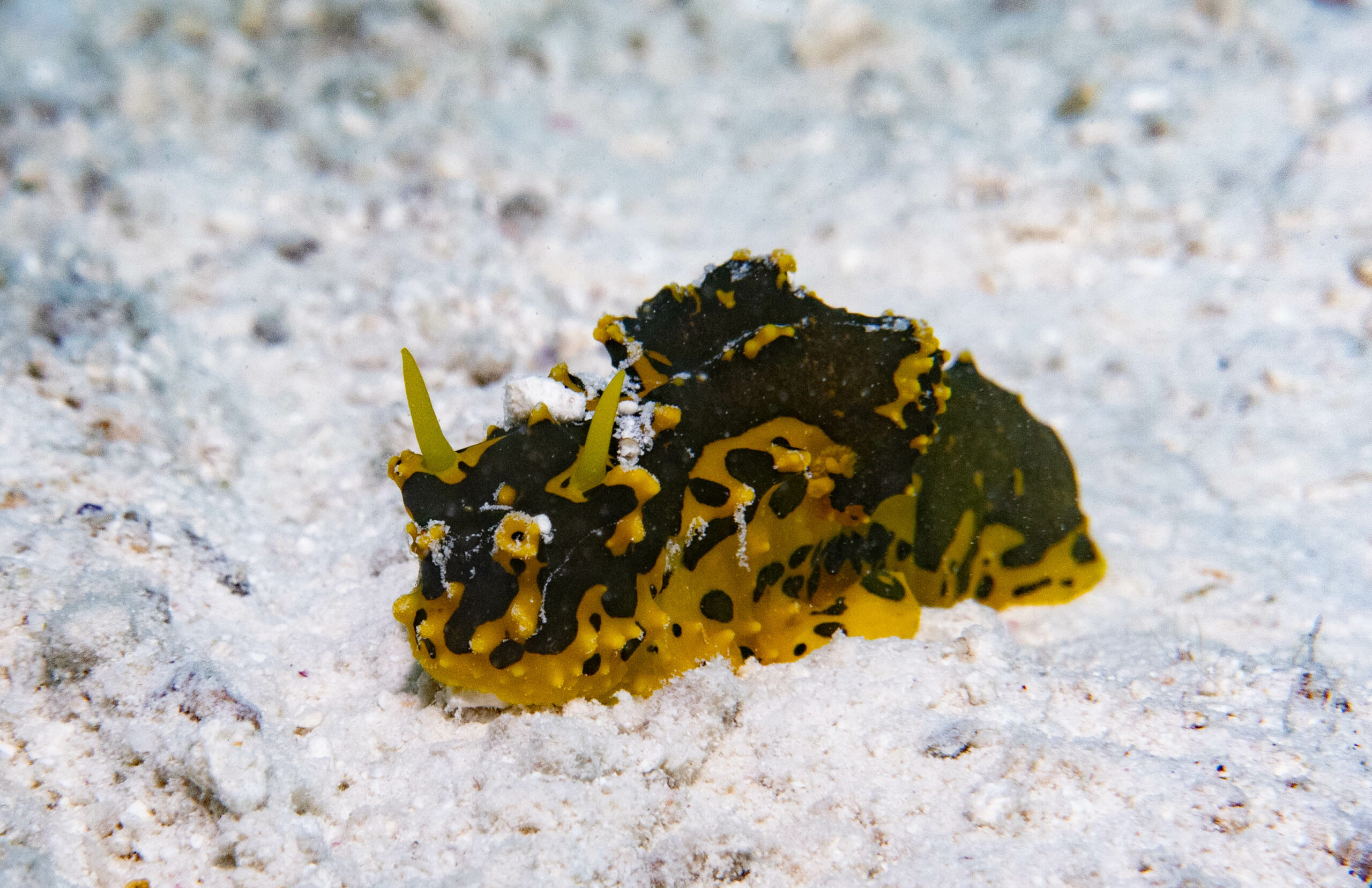
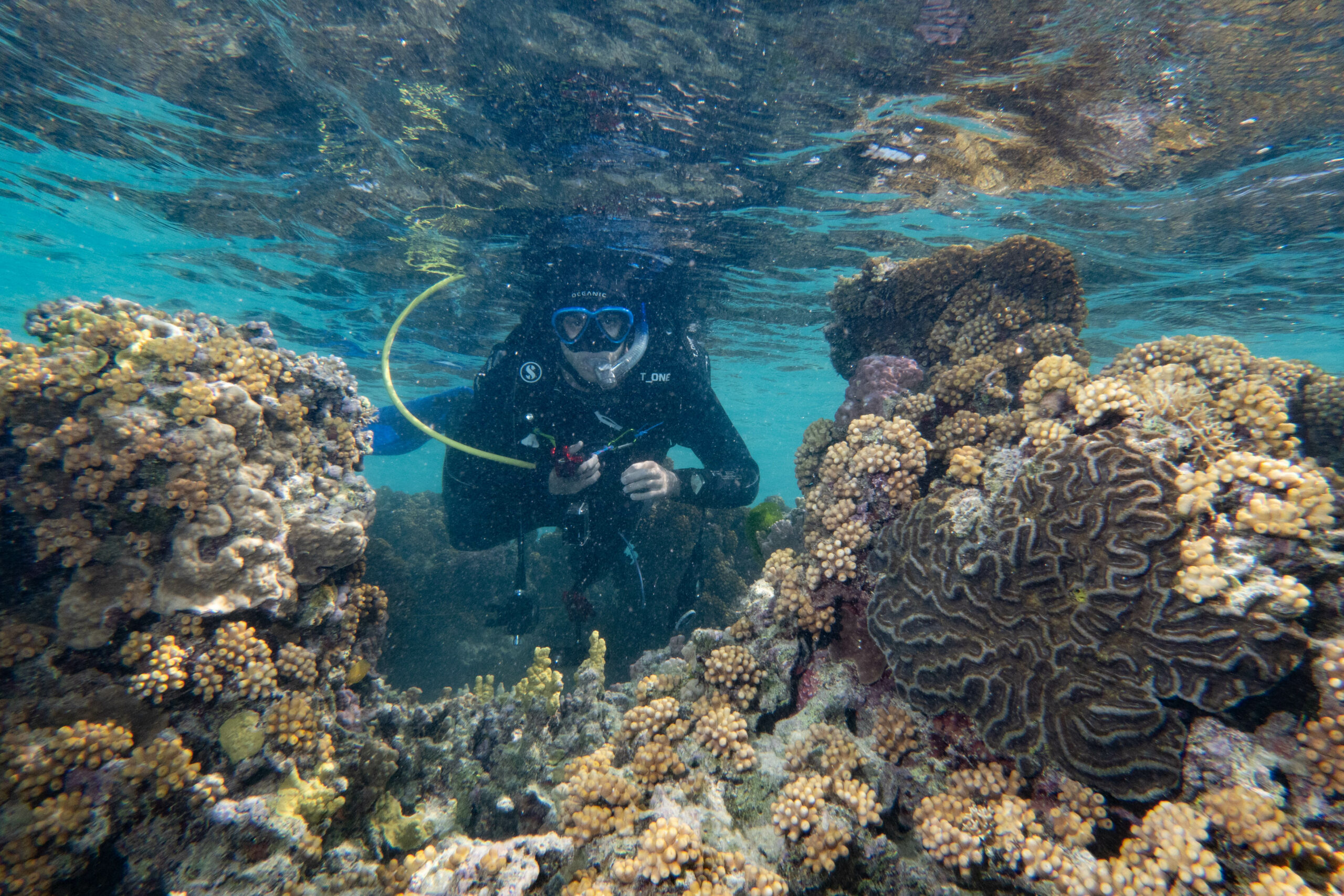
The 2025 One Tree Island surveys were run by a small team, with just myself (John Turnbull) and PhD candidate Luka Meyers. Logistics are always a challenge in the One Tree Island lagoon system, as the patch reefs are generally exposed at low tide and the reef edge sand-line depth can be as little as two metres. This means we can only do RLS surveys on the full tide. Fortunately, we had plenty of other tasks to carry out at lower tides, linked to Luka’s research questions.
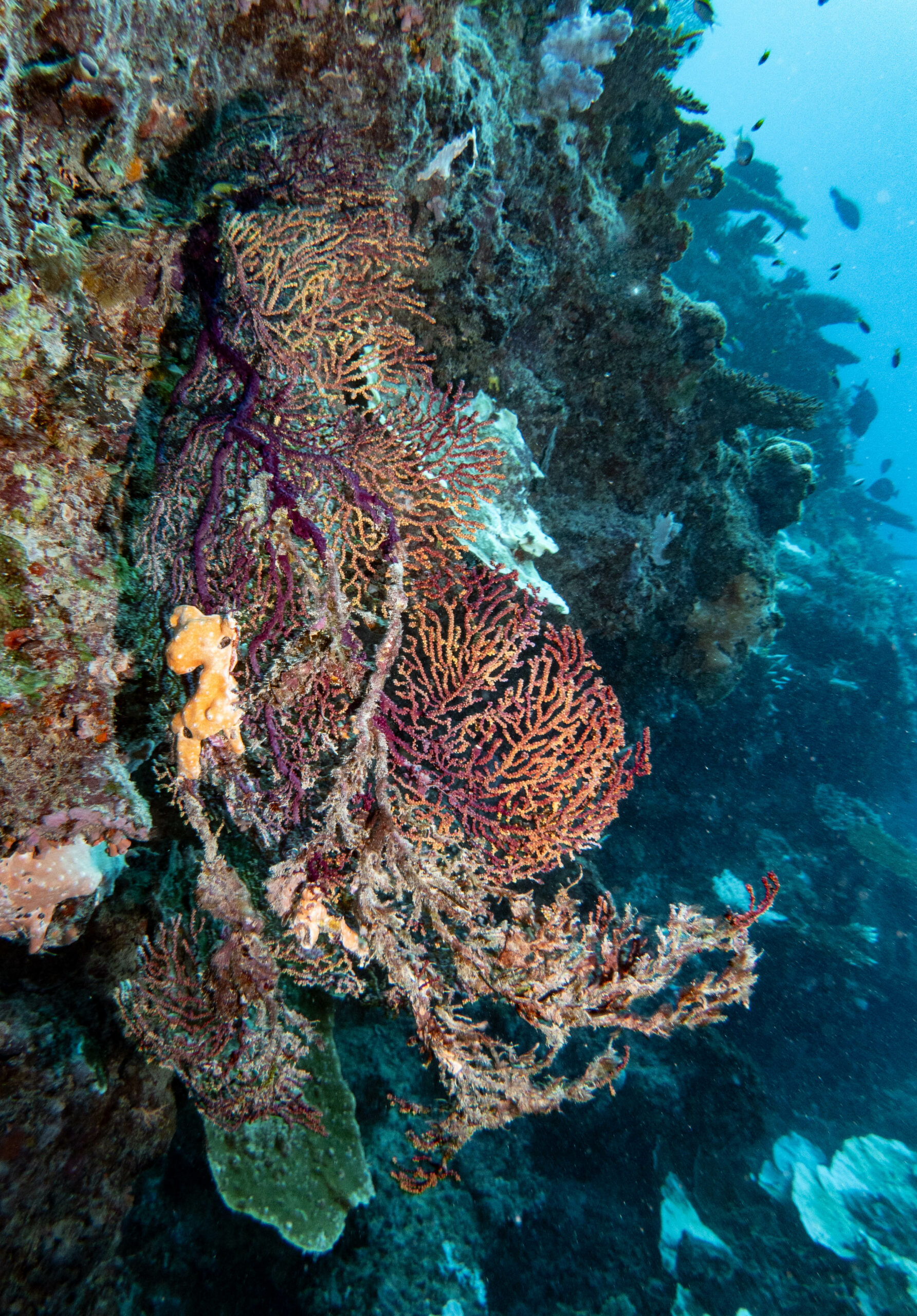
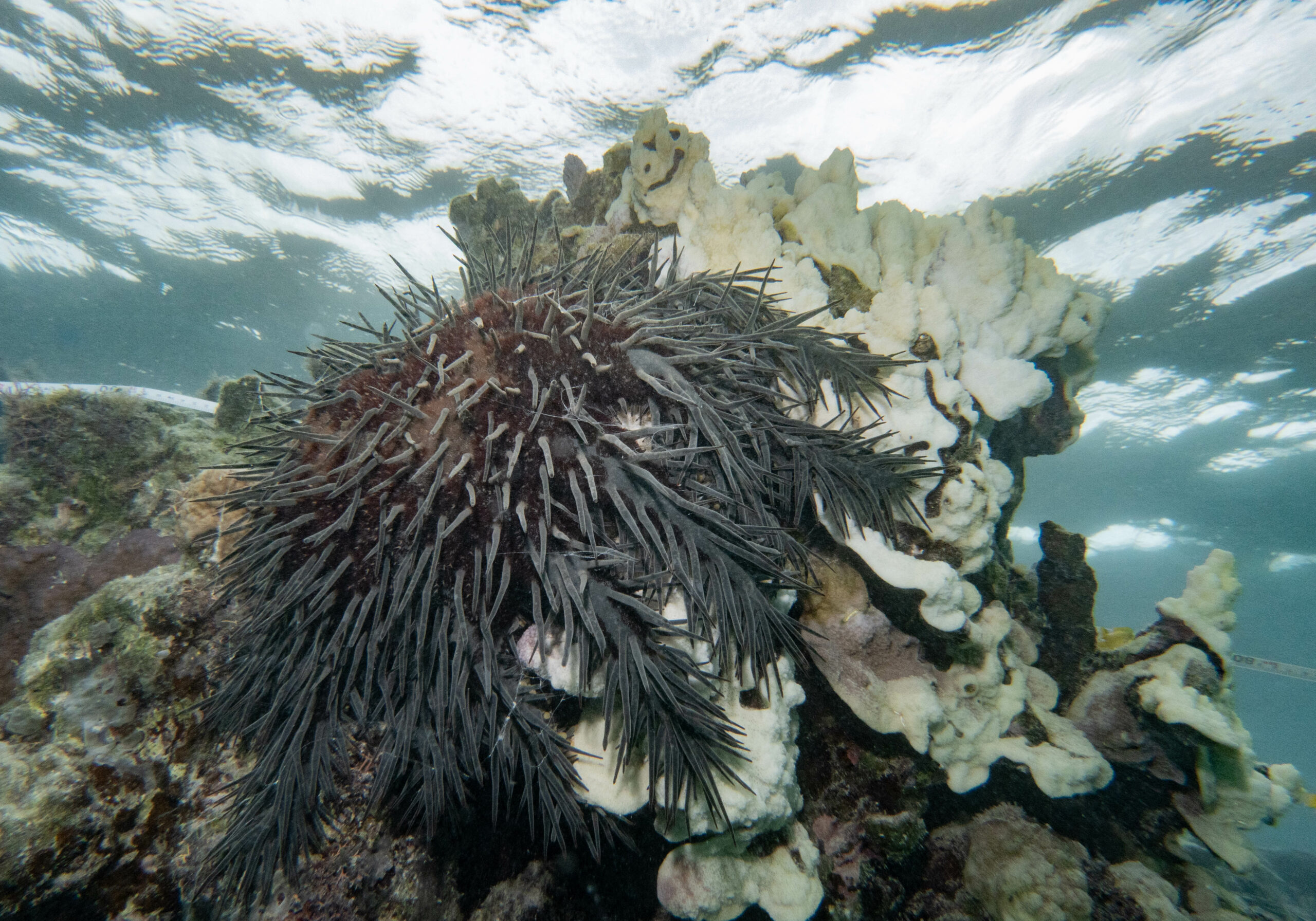
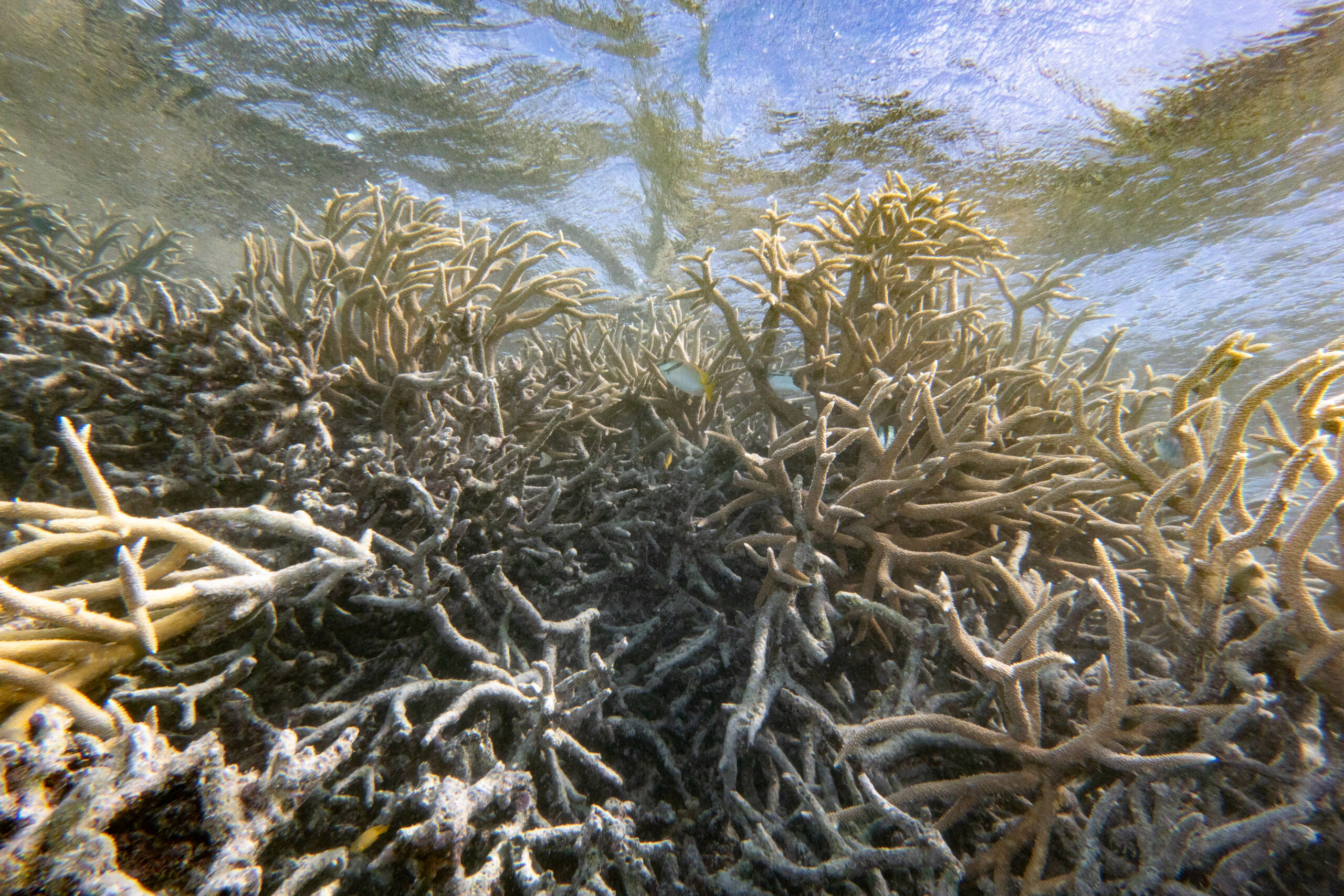
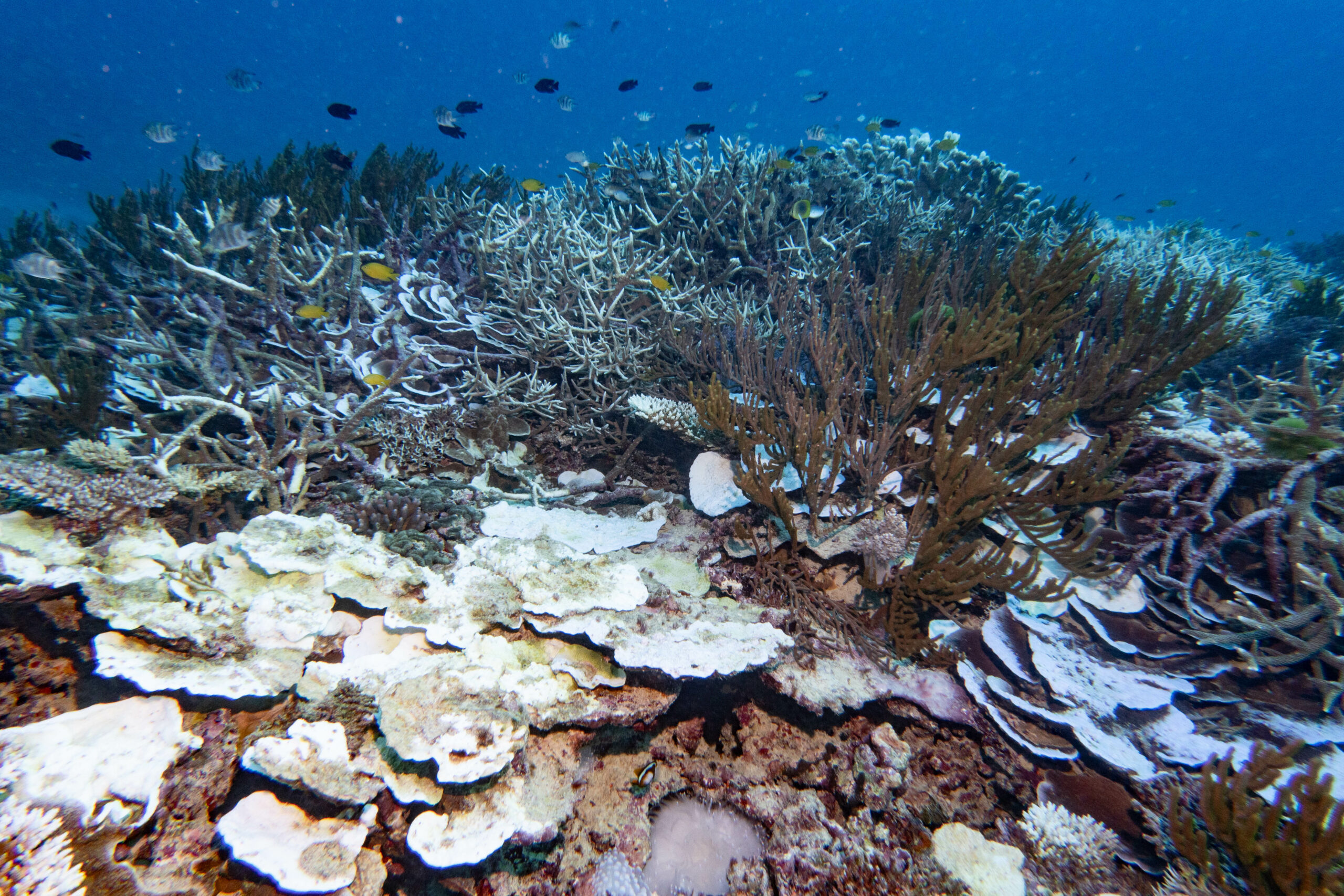
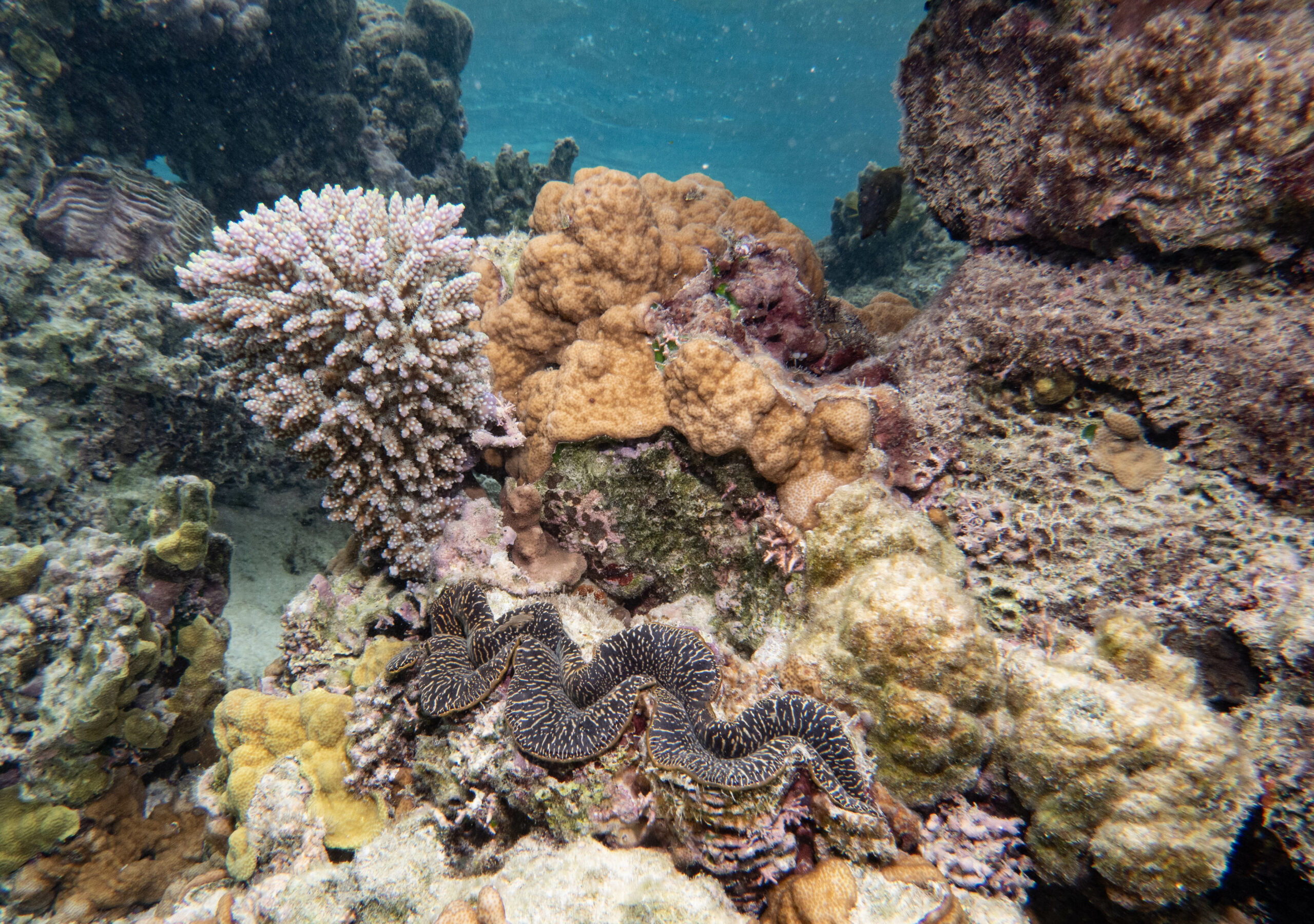
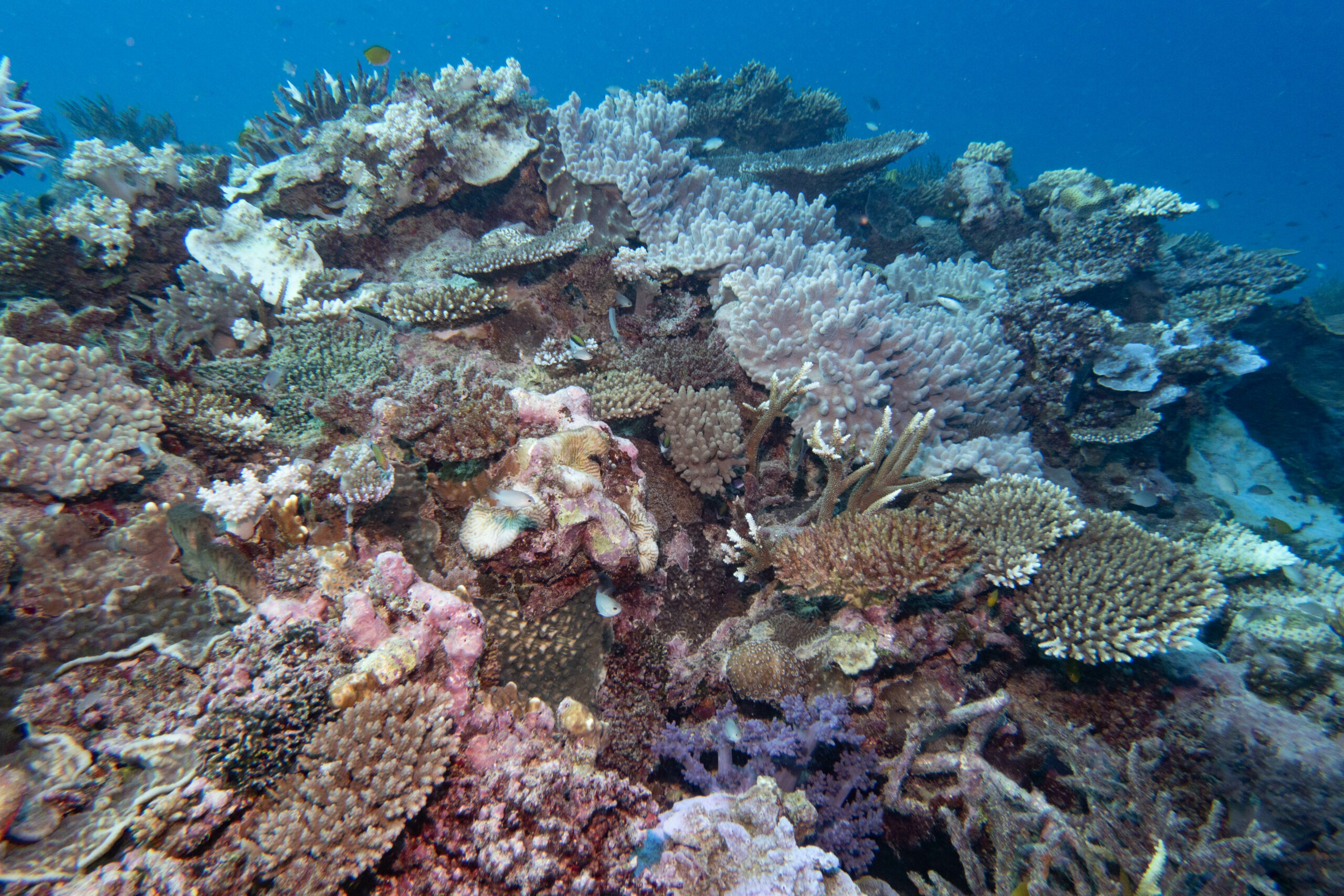
This work has also given us a data set covering the period before, during, and after the major bleaching event that occurred in the summer of 2024. As we submerged to see the seascape this time, the impacts were immediately obvious. Just as we did last year while surveying bleaching reefs, we had to put aside our reactions to seeing large areas of dead coral and focus on the task at hand.
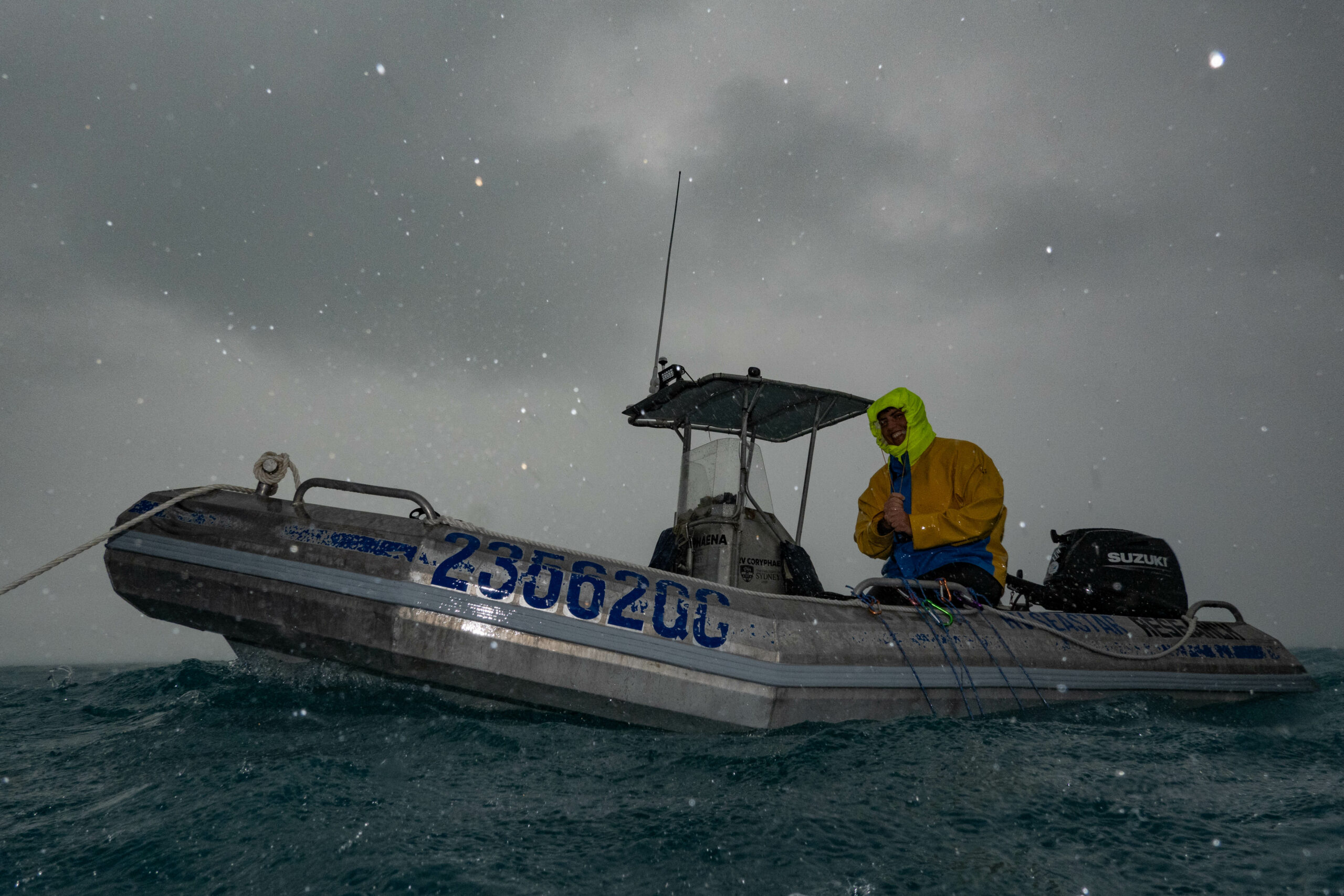
Allowing for bad weather days, we spent a total of four weeks on site. But who’s complaining? Even the bucket showers feel like a pleasure after a long day in the field. One Tree is also beautifully set up for science, with easy access to runabouts and dive gear from the coral rubble beach, all made easier thanks to the wonderful support of resident station managers Ruby and Heinrich.
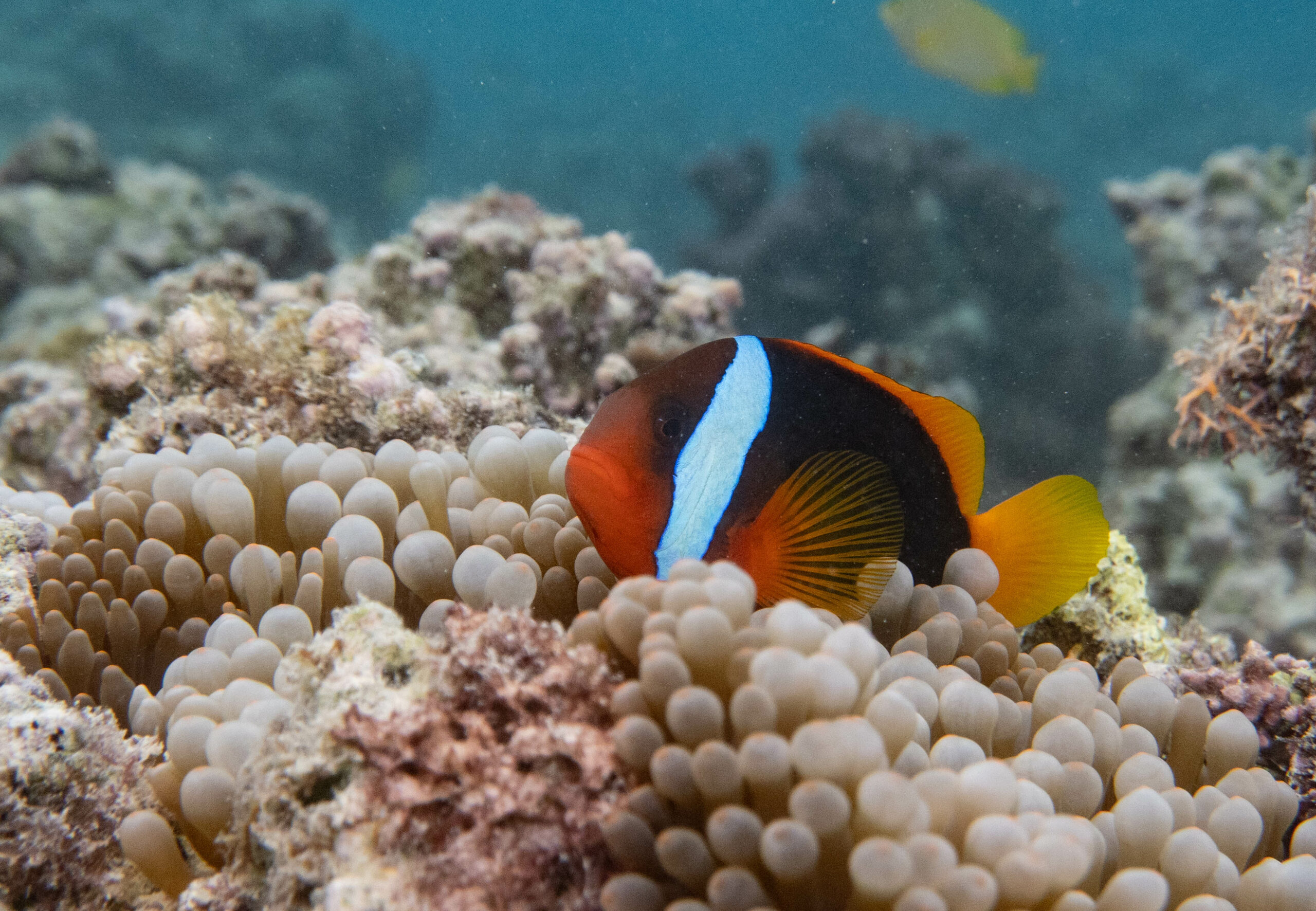
We completed our 26 sites with no days to spare, thanks to a couple of very windy days that kept us out of the water. Fish communities were still diverse, with some changes in species composition that we will now analyse to determine their significance. We expect that scoring the photo quadrat data will reveal substantial changes in the coral communities too, if our anecdotal observations are any indication.
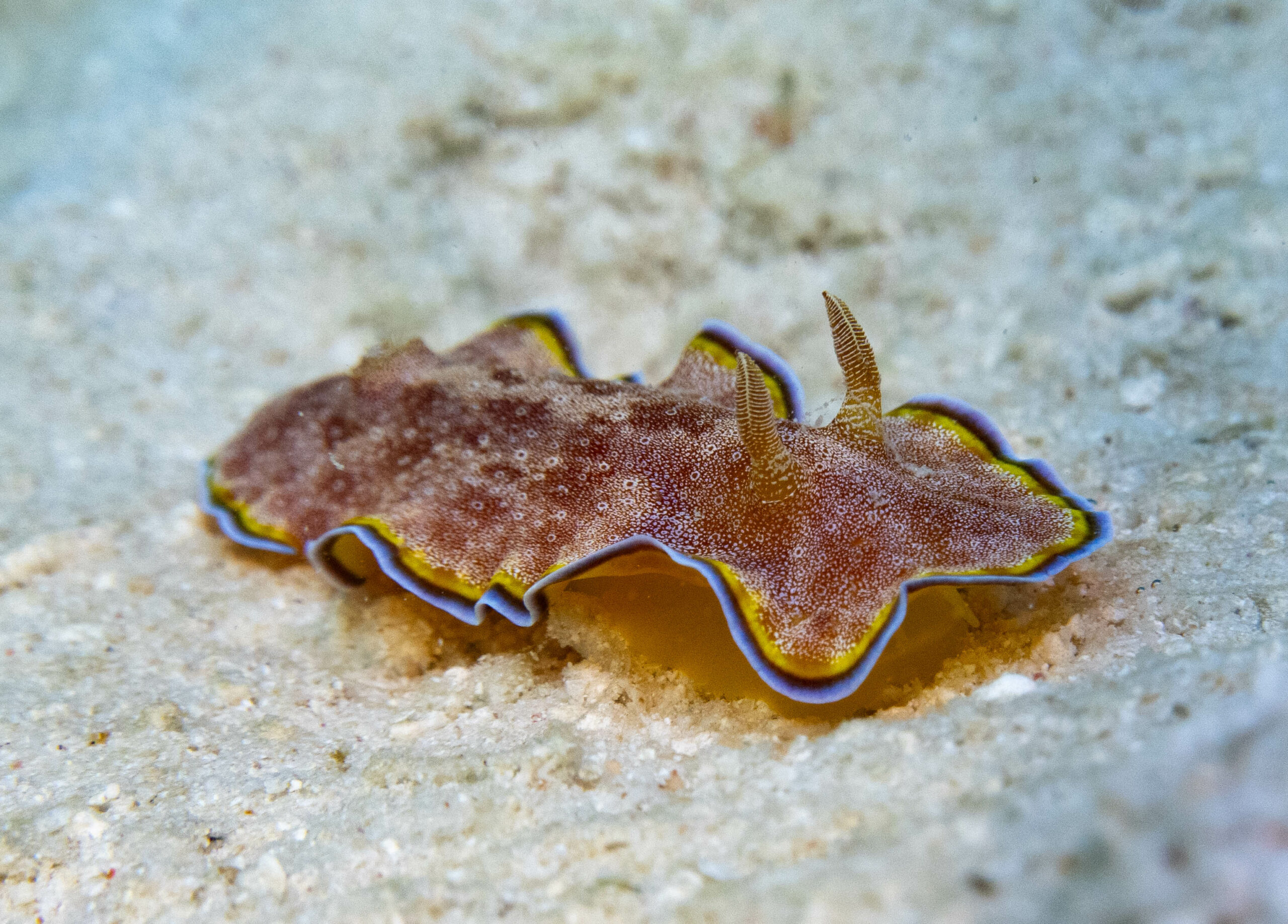
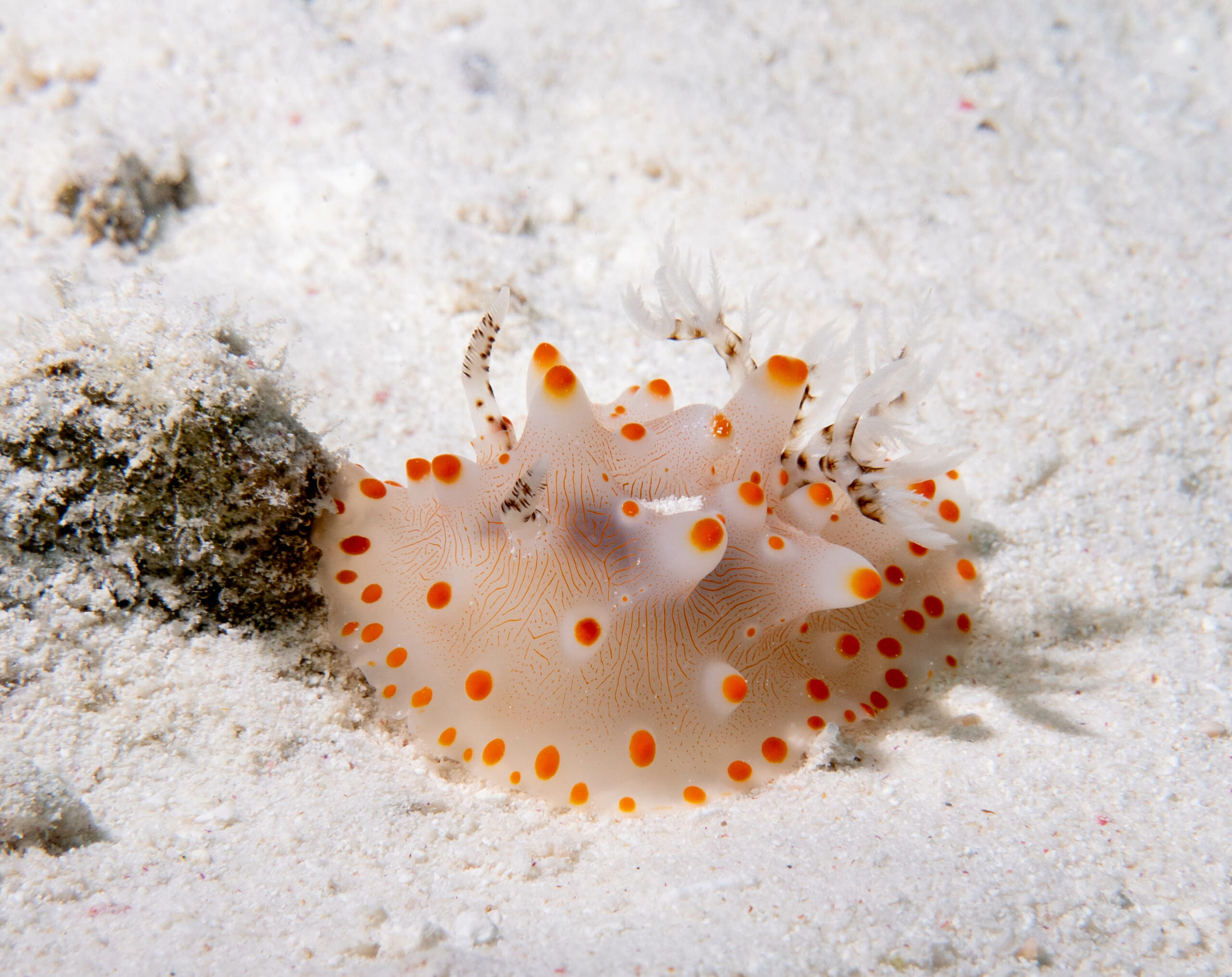
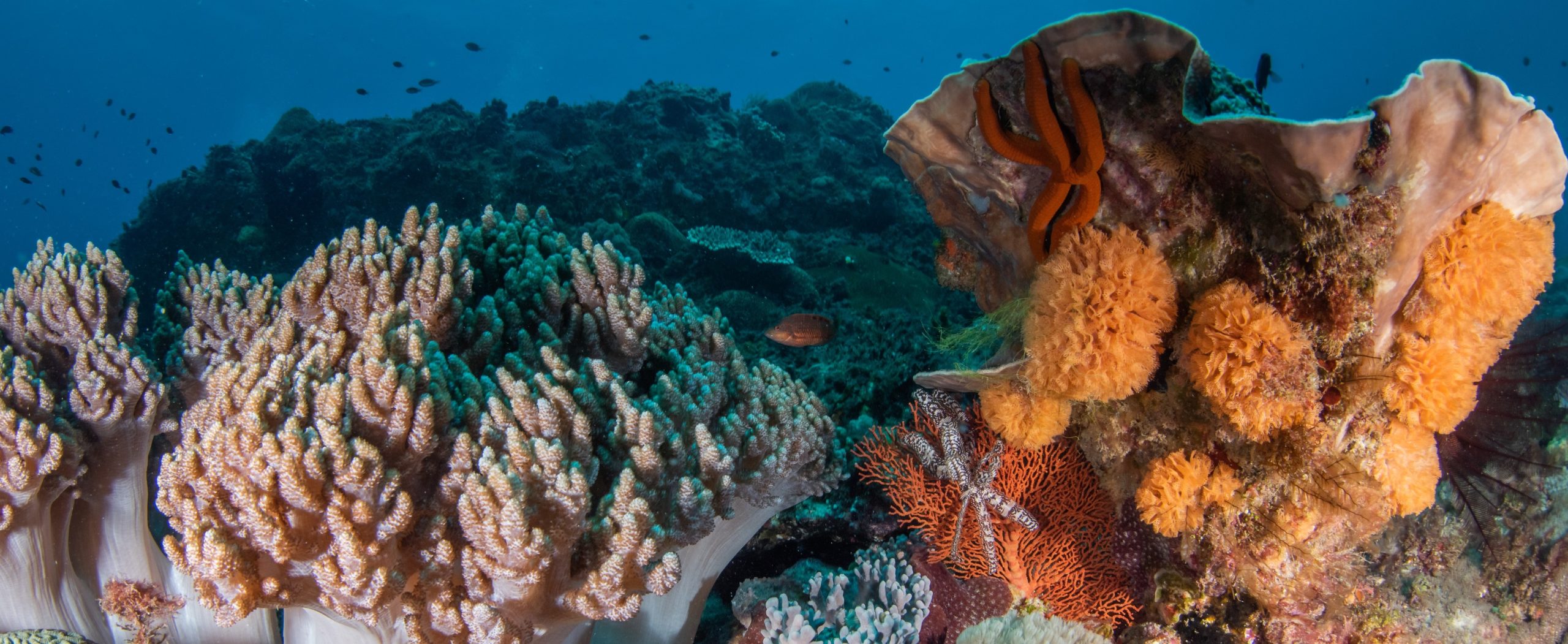
In all, I recorded 219 species on Method 1, and Luka recorded 118 species on Method 2. The most abundant fishes on Method 1 were the lemon damsel (Pomacentrus moluccensis), daisy parrotfish (Chlorurus sordidus), and spiny damsel (Acanthochromis polyacanthus). The most abundant fishes on Method 2 were the starry goby (Asterropteryx semipunctata) and the five-line cardinalfish (Cheilodipterus quinquelineatus). The most abundant mobile invertebrates were the sea cucumber (Stichopus chloronotus) and sea star (Nardoa novaecaledoniae). There were also plenty of first sightings, which are particularly exciting to add to the ever-growing database.
This trip was only possible thanks to the tireless efforts of Luka, Heinrich, and Ruby, and the support of the University of Sydney and the Australian Research Council 'Securing Antarctica’s Environmental Future' funding. I am funded by this program, and they have been terrific in supporting our One Tree Island research in place of getting to Antarctica, which is occaisionally impeded by logistical issues. A big shout-out also goes to Josh Moloney, who collected Method 2 data as a volunteer last year and has assisted with cannotating coral imagery. Finally, a major thanks to RLS for establishing the frameworks that provided the foundation for our research methods.